
Key Takeaways
- Preheat your grill to ensure even cooking and kill bacteria.
- Use a meat thermometer to achieve the ideal internal temperature for every cut.
- Let meats rest before grilling for improved texture.
- Experiment with different woods to boost flavor when smoking.
- Clean your grill regularly to help prevent sticking and reduce flare-ups.
Whether you’re firing up the grill for a backyard party or simply enjoying a casual family dinner, mastering the art of BBQ takes more than just following a recipe. It’s about technique, patience, and learning from experience. If you want to elevate your cookouts, these tried-and-true tips will help guide you every step of the way. Explore more BBQ inspiration and recipes at Brothers BBQ.
With the right approach, you can transform simple ingredients into unforgettable meals that friends and family will rave about. From preheating your grill to selecting the ideal wood for smoking, here are the key elements every pitmaster should know to achieve delicious, perfectly cooked BBQ.
Preheat Your Grill
Always start your BBQ session by preheating the grill for about 20 to 25 minutes. This not only helps the grill reach the proper temperature but also burns off any lingering residue and kills potentially harmful bacteria. Preheating sets the stage for great searing, contributes to those iconic grill marks, and helps prevent sticking, making the food easier to manage. Set your grill temperature by heat level:
- Low heat: 250-300°F
- Medium heat: 300-350°F
- Medium-high heat: 350-400°F
- High heat: 400-450°F
Cooking at the right temperature is essential to achieving the perfect balance between a caramelized exterior and a juicy interior. For gas grills, use built-in gauges; for charcoal, pay close attention to the look and feel of the coals.
Use a Meat Thermometer
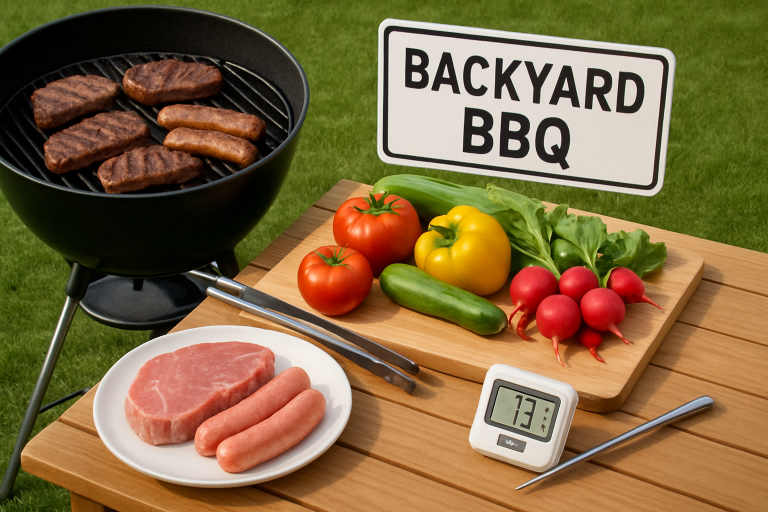
Taking the guesswork out of cooking is easier than ever with a quality meat thermometer. Consistently measuring the internal temperature of your meats is the best way to achieve optimal doneness and prevent undercooked or overcooked results. For example, chicken reaches peak tenderness and safety at 165°F, while a medium-rare steak is best enjoyed between 130 and 135°F. According to Bon Appétit, a thermometer is an indispensable tool for reaching pro-level results at home, no matter your skill level.
Let Meats Rest Before Cooking
A common pitfall for grillers is taking meat straight from the refrigerator to the grill. Letting your proteins rest at room temperature for about 30 minutes before grilling helps ensure even cooking throughout the center and prevents a charred exterior with a cold interior. This simple step produces a juicy, evenly cooked meal every time.
Choose the Right Wood for Smoking
The type of wood you choose for smoking can transform an ordinary BBQ into a culinary masterpiece. Hickory delivers a bold, smoky punch that’s perfect for brisket and pork ribs. Milder woods like apple or cherry offer a sweet, gentle flavor ideal for poultry and seafood. Discovering your preferred combination is half the fun, so don’t be afraid to experiment with blends or single-wood varieties. For a comprehensive guide on pairing meats with smoking woods, refer to Meatman’s Smoking Woods Guide.
Keep Your Grill Clean
Maintaining a clean grill is vital for both taste and safety. Residue from past cooks can cause sticking and flare-ups or impart off-flavors. Take the time to brush the grates after every session and do a deep clean periodically to remove excess grease buildup. This not only ensures better-tasting BBQ but also extends your grill’s lifespan. For expert tips on maintaining your grill for optimal performance, check out Good Housekeeping’s BBQ Cleaning Tips.
Master the Marinade or Rub
Marinades and rubs can transform the flavor and texture of your proteins. Marinades, which typically include an acid and seasoning blend, help tenderize meats like chicken or pork while infusing them with flavor. Dry rubs, made from spices such as paprika, garlic powder, brown sugar, and chili flakes, are ideal for creating a flavorful crust, especially on ribs, steaks, or brisket. For quick cooks, a good rub provides an instant flavor boost and excellent bark.
Control Your Heat
Heat management is fundamental to great BBQ. On charcoal grills, adjusting the vents lets you control airflow and, in turn, the temperature. Gas grills offer more precise heat settings, making them easier for beginners to use. For smokers, consistent monitoring is key to keeping your meat within the ideal temperature range for low-and-slow cooking. Every fuel type has its learning curve, but with practice, you’ll master your equipment.
Don’t Rush the Process
Barbecue is the ultimate lesson in patience. Low-and-slow cooking is what allows tough cuts of meat to become incredibly tender, as time helps break down connective tissue. Cranking up the heat to speed things along usually results in dry, tough meat. Trust the process, and you’ll be rewarded with rich, intensely flavorful results. As the best pitmasters say, patience is the real secret ingredient to legendary BBQ.
Adopt these tips into your grilling practice, and you’ll be well on your way to BBQ perfection. Like any skill, BBQ gets better with patience, experimentation, and a willingness to learn. As you refine your approach, you’ll find your signature style and achieve consistently mouthwatering results that impress every guest.