Introduction
Have you ever heard of corundas? If you haven’t, get ready to fall in love with one of Mexico’s most delicious and unique traditional foods. Corundas are a type of tamale—yes, like the ones you might know—but they look and taste a little different. They’re soft, warm, a little salty, and usually wrapped in corn leaves in the shape of tiny pyramids. Sounds amazing, right?
Corundas are very special to the state of Michoacán, Mexico. They have been made there for centuries. Families pass down the recipe from generation to generation. They often appear during celebrations, family dinners, and holidays. Some people eat them with red or green salsa, others with shredded meat, fresh cream, or cheese on top.
In this article, we’ll explore everything about these tasty treats. We’ll look at where they come from, how they’re made, what they’re filled with, and why they matter so much in Mexican culture. Whether you’ve never tried one or you’re a longtime fan, this guide will help you understand (and crave) corundas like never before.
What Exactly Are Corundas? Let’s Break It Down Simply
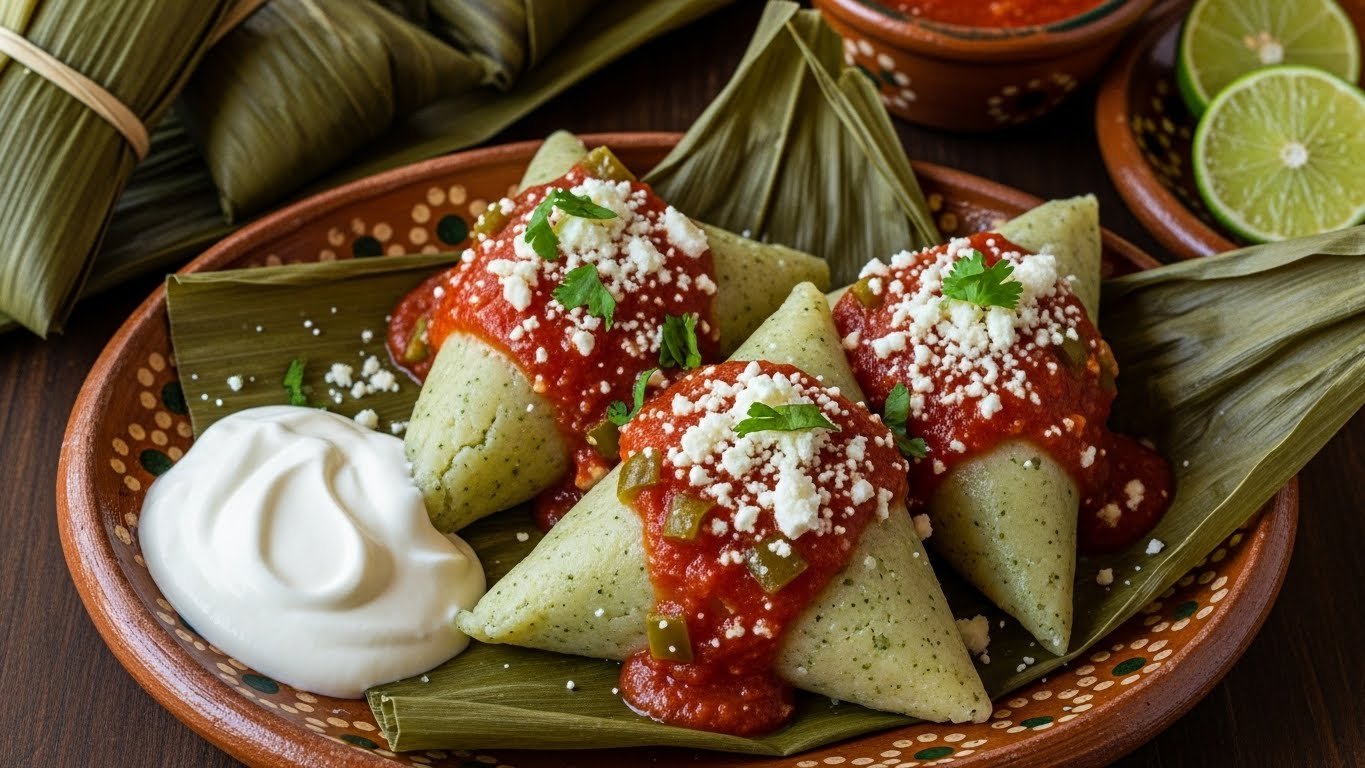
Corundas are a traditional Mexican food made from corn dough, known as masa. They belong to the tamal family, but unlike regular tamales, corundas usually don’t have fillings like meat or vegetables. Instead, they are known for their small, triangle-like shape, soft texture, and rich flavor that comes from adding ingredients like cheese, cream, or certain spices.
What really makes corundas special is how they’re wrapped. They’re not covered in the regular corn husks used for tamales. Instead, corundas are wrapped in fresh green corn leaves—called “hojas de milpa”—which add a mild, earthy flavor during cooking.
These little pyramid-shaped tamales are served as a side dish or main course. You can top them with sour cream, salsa, refried beans, or even mole (a rich Mexican sauce). Each one is about the size of a child’s hand, making them just right for snacking or sharing. And don’t worry—they’re just as fun to make as they are to eat!
The History and Origin of Corundas
The story of corundas goes back hundreds of years. They come from Michoacán, a state in western Mexico known for its strong cultural traditions, music, food, and crafts. Corundas have special meaning in the Purepecha (or Tarascan) culture, which is one of the area’s oldest indigenous groups.
Long ago, women in Purepecha communities would grind corn by hand, mix it with ash water to soften it (a process called nixtamalization), and cook delicious foods. Corundas were part of that tradition. They were made for sacred events, family ceremonies, and community feasts.
Over time, more people in and outside Michoacán discovered and enjoyed corundas. Now, you’ll find variations of them in street markets, restaurants, and family kitchens across Mexico and even in Mexican-American communities in the U.S.
Eating corundas today isn’t just about taste—it’s also a way to celebrate and preserve cultural heritage.
Corundas vs. Tamales: What’s the Difference?
Many people think corundas are the same as tamales, but they have some differences that make them special.
- Shape: Corundas usually have a triangle or cone shape. Tamales are often long and rectangular.
- Wrapper: Corundas are wrapped in green corn leaves (milpa leaves), while tamales use dried corn husks (hojas de maíz).
- Filling: Traditional corundas are often plain or only contain cheese or a little cream. Tamales can have meat, beans, chilies, or lots of other fillings.
- Texture: Corundas are softer, slightly stickier, and feel richer in the mouth, especially when fresh out of the pot.
While they both use masa and are steamed, the little details—especially the type of leaf and the triangular form—make a big difference in flavor and experience. But here’s the best part—you don’t have to choose one over the other. Try both and discover what makes corundas extra special!
How Are Corundas Made? A Step-by-Step Overview
If you’re wondering how to make corundas, the process is actually simple and fun, even for beginners. Here’s a basic idea of how it goes:
- Prepare the masa: You use masa harina (cornflour), mix it with water, some baking powder, salt, and lard or vegetable shortening until soft and fluffy.
- Shape the dough: Form small balls of dough and flatten them slightly.
- Add extras (optional): Traditional corundas are plain, but you can add crumbled cheese, sour cream, or bits of chile.
- Wrap in green corn leaves: These are fresh leaves from the corn plant, not the usual dried husks.
- Fold into triangles: This is where you get the signature corunda shape.
- Steam until done: Place the wrapped bundles in a large pot with boiling water and steam them for about 45 minutes to an hour.
Once cooked, corundas come out soft, fragrant, and ready to be served hot with your favorite toppings or sauces. Making them at home is a great family activity too!
What Do Corundas Taste Like?
So, what do corundas actually taste like? The best word to describe them is comforting.
Since many corundas are made without bold fillings, the flavor really comes from the masa and the corn leaves. The masa has a warm, slightly sweet taste, especially when fresh. The green corn leaves give the corundas a gentle, almost grassy flavor that mixes perfectly with spices.
Corundas are soft, just a little chewy, and feel cozy in your mouth. When you add toppings like crumbled cheese, chile sauce, or sour cream, the taste goes from simple to amazing. One bite is often enough to make people say “wow.”
They’re also lighter on the stomach than filled tamales, which makes them great for quick meals, breakfast, or a snack with hot chocolate or coffee.
Ways to Eat and Serve Corundas
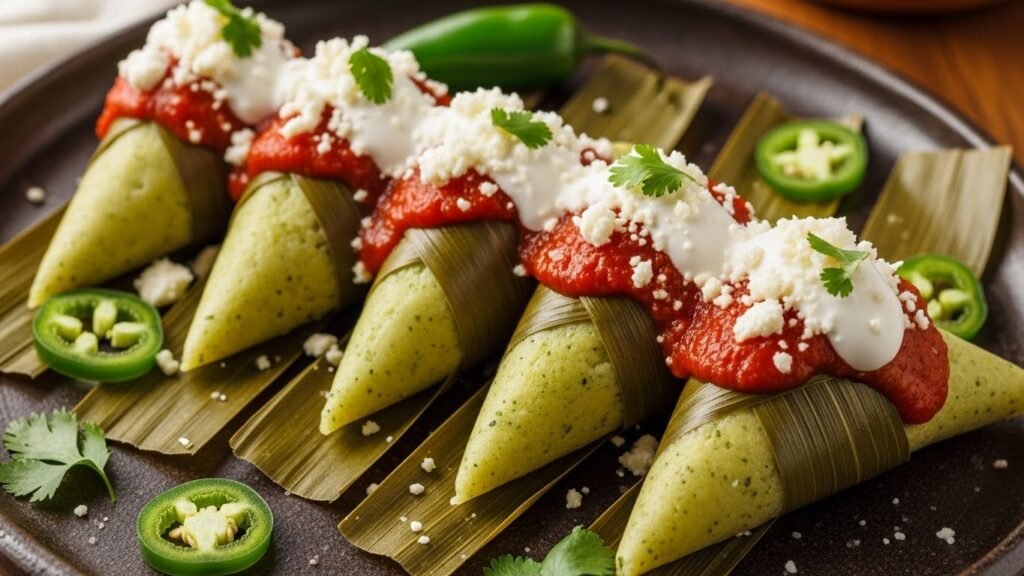
The great thing about corundas is that you can enjoy them in many ways. Here are some popular options:
- With salsa: Red or green tomatillo salsa adds heat and color.
- With crema (Mexican sour cream): Creamy and tangy, it adds contrast to the warm corunda.
- Alongside grilled meat: Corundas pair well with carne asada or chicken mole at family meals.
- As a breakfast dish: Warm them up for breakfast, topped with beans and scrambled eggs.
- During holidays: In Michoacán, corundas are part of Christmas and Day of the Dead celebrations.
You can also add lettuce, avocado slices, or pickled onions for extra flavor. It’s all about what you like.
However you eat them, just know one thing: corundas are meant to be shared. So invite your family or friends to the table and enjoy them together.
Are There Different Types of Corundas?
Yes! While the classic corunda is plain and triangle-shaped, there are some fun and tasty variations.
- Corundas de queso: These come stuffed with Mexican cheese like panela or queso fresco.
- Corundas de nata: Filled with a rich cream or even sweetened cream for a smooth texture.
- Uchepos: Though not exactly corundas, these are related. Uchepos are made from fresh, sweet corn and are softer and sweeter. They’re wrapped the same way and often served with condensed milk or sugar.
- Corundas grandes: These are super-sized versions and may include other fillings or more seasoning.
These variations show how flexible corundas can be. Depending on what you add or where you eat them, the flavor experience can be totally different while still honoring the original recipe.
Why Are Corundas Culturally Important?
Corundas aren’t just a food—they’re a piece of history on a plate.
In Michoacán, making and sharing corundas is part of many family gatherings, celebrations, and religious events. Women often teach younger generations how to prepare the masa, wrap it correctly, and steam them just right. It’s a way of keeping identity and tradition alive.
Some families serve corundas at baptisms, communions, or weddings, while others include them in their weekly menu at home. In pueblos (villages), you might see women selling them by the dozen on market days or outside churches.
When you eat a corunda, you taste something truly Mexican—handmade, full of love, and passed down across centuries.
Where Can You Try Corundas?
If you’re visiting Mexico, the best place to try corundas is in Michoacán, especially in towns like Morelia and Pátzcuaro. Many local markets and family-style restaurants (fondas) serve them fresh every day.
In the United States, look for authentic Mexican restaurants that offer regional Michoacán cuisine. You might also find them at cultural festivals, food fairs, or even homemade by local cooks.
Or, if you’re adventurous, make them at home! Try starting with a simple recipe you can find online, and get creative with your own twist. The process is rewarding, and the taste makes it all worth it.
Are Corundas Healthy? Let’s Take a Look
Corundas are made mainly from corn, which is high in fiber and energy. When eaten in moderation and with healthy toppings, they can be part of a balanced meal.
Here are some things to consider:
- Low sugar: Traditional corundas don’t contain added sugar.
- Lower fat (if made without lard): If you use vegetable shortening or oil instead of lard, the fat level is lower.
- Good for vegetarians: If they’re made plain or with cheese, they’re perfect for vegetarian diets.
- Naturally gluten-free: Corn-based foods are typically free from gluten.
Just be careful with heavy toppings like lots of cream or cheese if you’re watching your calories. But overall, corundas are a hearty, wholesome food you should definitely enjoy.
FAQs
1. What are corundas made of?
Corundas are made of masa (corn dough), wrapped in green corn leaves, and steamed until soft.
2. Do corundas have fillings?
Traditional ones are often plain, but some corundas include cheese, cream, or mild peppers.
3. Are corundas the same as tamales?
They are similar but different. Corundas are usually triangle-shaped and use fresh corn leaves instead of dried husks.
4. Can I make corundas at home?
Yes! It just takes a few ingredients, some green corn leaves, and a steamer pot or large pan.
5. How do corundas taste?
They’re soft, warm, and slightly sweet from the masa. Add salsa or cream for extra flavor.
6. Where did corundas originate?
Corundas come from Michoacán, Mexico, and are part of the ancient Purepecha food tradition.
Conclusion
Now that you’ve explored the world of corundas, it’s easy to see why people adore them. These little triangle-shaped tamales carry big flavor, deep history, and warm memories. Whether shared at family meals or bought fresh at a market, they offer cozy satisfaction in every bite.
They show that great food doesn’t have to be complex. It just needs heart, tradition, and good ingredients. If you haven’t tried them yet, make a plan to buy or cook some soon. And if you already love them, now you know their backstory—and maybe a new way to serve them.