
Introduction
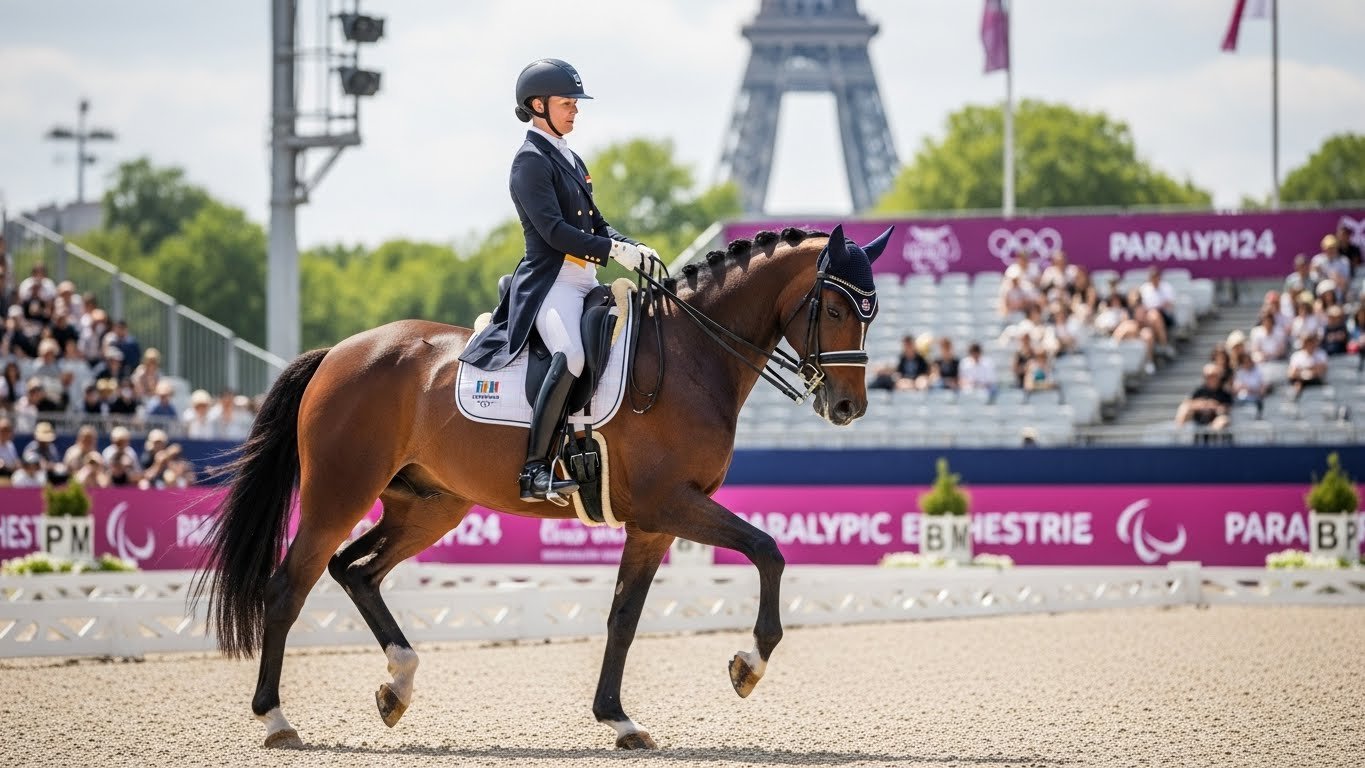
The equestrian paralympics 2024 is more than a major sporting event—it’s a celebration of strength, teamwork, and the unbreakable bond between athletes and their horses. In 2024, the world will once again come together to cheer on para-athletes as they compete in the magical arena of equestrian sports, held during the Paris Paralympic Games.
Para equestrian events bring incredible athletes with disabilities into the spotlight. These riders and their horses move together with trust, skill, and grace. The training is long and hard, but the results are breathtaking to watch.
Whether you’re a lifelong horse lover or just discovering this amazing sport, this guide is here to help you understand what makes the Equestrian Paralympics 2024 so special. We’ll talk about the events, the rules, the riders to watch, and how equestrian sports help promote inclusion, confidence, and determination.
Let’s saddle up and dive into the inspiring and exciting world of para-equestrian sport!
Where and When Will the Equestrian Paralympics 2024 Take Place?
The Equestrian Paralympics 2024 will be held in Paris, France. It is part of the larger Summer Paralympic Games, which follow the Summer Olympics. The equestrian events are scheduled to occur at Versailles, near the beautiful palace gardens—offering a historic and picturesque setting.
The 2024 Paralympic Games begin on August 28 and end on September 8, with equestrian events taking place across several days during that period. The exact schedule, including date and time for each class, will be available on the official Paralympic Games website and equestrian federation pages closer to the event.
This will make it easy for fans, families, and sports lovers across the world to follow their favorite riders and horses during the Equestrian Paralympics 2024.
What Is Para Equestrian Sport?
Para equestrian is a discipline where athletes with disabilities compete in equestrian sports. The most popular event at the Equestrian Paralympics 2024 will be Para Dressage, a graceful sport where horse and rider perform a series of movements from memory.
Just like in the Olympic version of dressage, riders guide their horses through a choreographed test. Judges score them based on rhythm, accuracy, balance, and how well the rider communicates with their horse. It’s beautiful to watch and requires incredible skill, patience, and trust.
The International Paralympic Committee and the FEI (Fédération Equestre Internationale) work together to set special rules that make the sport fair for all athletes. Riders are grouped based on their physical abilities so that competition stays balanced and exciting.
Who Can Compete in the Equestrian Paralympics 2024?
Not everyone can simply show up and ride in the Equestrian Paralympics 2024, but athletes around the world can train, qualify, and earn a place through official competitions.
To compete, a rider must:
- Have an eligible physical, visual, or neurological disability
- Be classified into one of five “Grades” by licensed officials
- Compete internationally under FEI Para Dressage rules
- Qualify through reports and results from recognized events leading up to the Games
The Grades, from I to V, are based on the rider’s levels of mobility, coordination, and strength. Grade I riders have the most severe impairments and perform simpler tests. Grade V riders have milder impairments and perform more complex movements.
This classification keeps competition fair and opens doors for athletes with all types of disabilities to shine at the Equestrian Paralympics 2024.
Types of Events in the Equestrian Paralympics 2024
There are three main medal events during the Equestrian Paralympics 2024, and all take place in Para Dressage:
1. Individual Test
Each rider performs a set pattern of movements within their classified grade. This test reflects their technical skills with the horse.
2. Team Test
Countries with three or four qualified riders form a team. Their scores are combined to determine the best national team.
3. Individual Freestyle Test
This is like “dancing with horses,” where riders create a routine set to music. It’s judged for both technique and artistic impression.
All riders compete on the same size dressage arena, and all horses move under the same rules, which allows top athletes to truly show their talent and passion at the Equestrian Paralympics 2024.
What Makes the Equestrian Paralympics So Unique?
There are many things that make the Equestrian Paralympics 2024 different from other sports—and even from many other Paralympic events.
- Horse and Rider as One: It’s the only Paralympic sport where humans compete with animals as a team. The bond between horse and rider is everything.
- Gender Equality: Men and women compete together in the same events. There are no separate competitions by gender.
- Wide Range of Abilities: Riders with many different types of disabilities can qualify and compete thanks to graded divisions.
- Technical Skill and Artistry Combined: The sport isn’t just about scoring points; it’s also about rhythm, creativity, and harmony.
It’s emotional, inspiring, and absolutely stunning to watch—no matter your level of experience with horses.
Who Are the Equestrian Athletes to Watch in 2024?
While official lineups won’t be confirmed until closer to the events, here are a few leading hopefuls you may want to follow during the Equestrian Paralympics 2024:
- Roxanne Trunnell (USA): Gold medalist from Tokyo 2020 and one of the world’s highest-ranked riders.
- Lee Pearson (UK): A legend in the sport with multiple gold medals.
- Sanne Voets (Netherlands): Known for strong freestyle performances to music.
- Rixt van der Horst (Netherlands): Another winning name in Grade III.
- Kate Shoemaker (USA): A rising star in the American dressage world.
These athletes not only show incredible riding skill, but also inspire audiences with their strong spirit and achievements.
How Horses Are Trained for the Paralympics
Horses that compete in the Equestrian Paralympics 2024 are trained to be responsive, steady, and gentle. They must adapt to their rider’s unique needs, movements, and cues. These special horses are often patient, calm, and intelligent.
Most para-dressage horses start their training very early. They are taught to move with balance, rhythm, and quick reactions to cues. The relationship between rider and horse grows stronger over time, with daily training, bonding, and trust-building sessions.
Some riders may use adapted reins, saddles, or aids to help them ride. The horse must learn these systems as well. Coaches, grooms, and vets work as a full team to keep the horses healthy, relaxed, and ready to shine at the Equestrian Paralympics 2024.
Why the Equestrian Paralympics Matter for Inclusion
The Equestrian Paralympics 2024 is more than just a sporting event. It’s also a movement for equality, respect, and inclusion.
Athletes show the world that disability doesn’t mean less ability. Through hard work, training, and teamwork with their horses, they can perform amazing, elite-level routines that leave the audience speechless.
These games help break down old stereotypes. They show children with disabilities that they can dream big and become athletes, artists, and leaders. And they inspire everyone—disabled or not—to appreciate courage, focus, and dedication in a very unique way.
Watching para-equestrian sports is more than entertainment. It changes hearts.
How to Watch the Equestrian Paralympics 2024
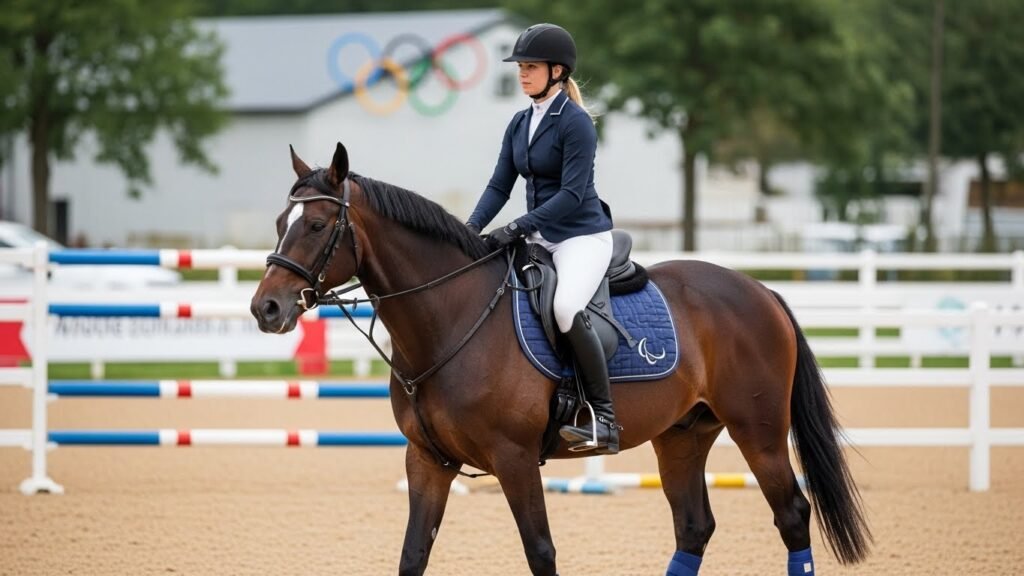
Good news—fans from around the world will be able to watch the Equestrian Paralympics 2024 easily. There will be multiple ways to tune in:
- Official Paralympic YouTube & Website
- Broadcast partners like NBC (USA), Channel 4 (UK), and others
- Streaming apps and services online or through smart TVs
- Social media updates and highlight clips on platforms like Instagram, TikTok, X (Twitter), and Facebook
The exact streaming options will be shared closer to the Games, so be sure to check the International Paralympic Committee’s official site for updates.
Don’t forget to support your local athletes and rewatch the incredible performances. Every rider’s journey matters, and your support helps grow the sport.
Volunteering and Getting Involved
Even if you aren’t in Paris, you can still be part of the Equestrian Paralympics 2024 journey by supporting local para-athlete programs.
Here are ways to get involved:
- Volunteer at local riding centers
- Share para-equestrian stories online
- Follow and support athletes on social media
- Donate to disability sports organizations
- Attend qualifying events in your area
If you live in or near Paris, you may be able to sign up to volunteer during the Games. Helping behind the scenes makes a huge difference—and gives you a front-row seat to history.
Inspiring Stories from Past Paralympics
Previous equestrian Paralympics have shown the world some incredible stories of strength and triumph. Every Games brings tearful, joyful, knock-your-socks-off moments.
- In Tokyo 2020, the USA’s Roxanne Trunnell set a new record with her freestyle performance. Riding a horse named Dolton, she achieved top marks and became a role model for athletes everywhere.
- In London 2012, Great Britain’s Sophie Christiansen won gold and became a symbol of smart, steady riding paired with hard work.
These athletes remind us that anything is possible. Their performances light up the arena—and often, our eyes too.
How the Grading System Works in Para Equestrian
To make competing fair, every rider is placed into a Grade. This ensures that athletes with similar ability levels compete together.
Equestrian Paralympics 2024 Grades:
- Grade I: Severe disabilities. Riders often use wheelchairs and perform basic walk-only movements.
- Grade II: Moderate disabilities with more upper body movement.
- Grade III: Greater balance control and often include trot work.
- Grade IV: Stronger mobility, includes some canter work.
- Grade V: Mild physical disabilities or combined issues (some riders may have visual impairments).
Each Grade has its own dressage test, suited to the rider’s range of ability. This fair competition format is a big part of what keeps the Equestrian Paralympics 2024 exciting and inclusive.
FAQs
1. What dates will the Equestrian Paralympics 2024 be held?
The equestrian events will be part of the Paris Paralympics from August 28 to September 8, 2024.
2. What horses do Paralympic riders use?
They use well-trained, calm, and highly skilled dressage horses, often trained over many years.
3. Do men and women compete separately?
No. Para equestrian is one of the few sports where men and women compete together in the same events.
4. What is the main equestrian event at the Paralympics?
Para Dressage is the featured event, showcasing both technical skill and artistic expression through horse-and-rider harmony.
5. How are riders classified in para equestrian sport?
They’re placed in Grades (I through V) based on their physical disability level to ensure fair and balanced competition.
6. Can you watch the Equestrian Paralympics for free online?
Yes. Many events will be streamed for free on platforms like YouTube and the official Paralympics website.
Conclusion
The Equestrian Paralympics 2024 isn’t just sport—it’s a celebration of hard work, partnership, progress, and pride. From the beautiful setting of Versailles to the breathtaking freestyle dressage routines, every moment will remind us of what is possible when people and horses come together with trust and determination.
Whether you’re an equestrian expert or someone just learning about para sports, we hope this guide helped you feel inspired and informed. Share it with a friend, follow your favorite athletes, and don’t miss the chance to be part of something truly special.