Introduction
If you’ve ever heard the word exostosis, you might have thought it sounds like something scary or hard to understand. But don’t worry—it’s actually pretty simple once you break it down. Exostosis is a medical term that means extra bone growth. In most cases, it’s not as frightening as it sounds, and many people don’t even know they have it.
Exostosis can happen in different parts of the body, including the ears, knees, jaws, and feet. Some people feel pain or discomfort, while others notice a bump near their joints. It’s usually harmless, but sometimes it can get in the way of daily life.
In this article, we’ll explore everything you need to know about exostosis. We’ll explain what causes it, how it feels, what it looks like, and how doctors treat it. Whether you’re just curious or think you might have it, this easy-to-read guide will give you answers and peace of mind.
Let’s get started and learn all about this small but sometimes bothersome bone growth.
What Is Exostosis? A Simple Explanation
Exostosis means a bony growth that forms on top of existing bone. Think of it like a little extra “bump” of bone that your body creates. It’s not part of your original bone structure but grows out from it over time.
This growth can be smooth or jagged. Some exostoses (plural of exostosis) are hard to see or feel, while others stick out under the skin and are easy to notice. A person might not notice it until it starts causing problems.
The good news is that most of the time, exostosis is benign, which means it’s not cancer. But even if it’s harmless, it can still make certain movements uncomfortable or painful—especially if it presses on muscles, nerves, or blood vessels.
Understanding exostosis can help you spot symptoms early and know when it’s time to talk to a doctor.
What Causes Exostosis to Grow?
There are several common causes of exostosis, and they vary depending on where it shows up in the body. In many cases, it’s your body’s response to pressure, irritation, or injury.
Here are some common reasons for exostosis:
- Repeated stress or trauma (like from tight shoes or sports)
- Inflammation (after an injury or infection)
- Genetics (some people inherit a condition called hereditary multiple exostoses)
- Cold water exposure (linked to surfer’s ear)
- Joint damage or arthritis
For example, if you wear shoes that squeeze your toes for too long, you might develop exostosis on your feet. Or if you swim in cold water a lot, you might get an exostosis in your ear canal from the repeated exposure.
Knowing the cause of your exostosis can help prevent it from getting worse or coming back.
Different Types of Exostosis
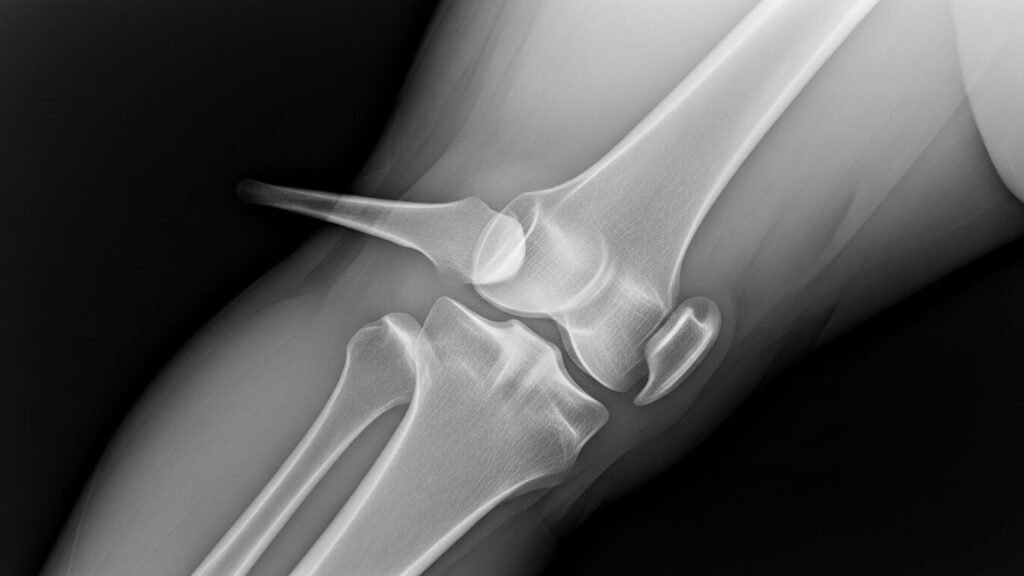
Not all exostoses are the same. They can grow in many parts of the body and behave differently based on location. Let’s look at some of the most common types:
- Osteochondroma – A common kind of bone growth that often appears in children and teens. It has both bone and cartilage.
- Surfer’s Ear (External Auditory Exostosis) – Grows inside the ear canal from cold water exposure.
- Heel Spur – Forms at the bottom of your heel bone, usually from wearing bad shoes or running too much.
- Buccal Exostosis – Found on the jaw, often near the molars. It’s usually harmless but can bother some people.
- Subungual Exostosis – Grows under a toenail or fingernail. It can cause pain or pressure.
Each type of exostosis has its own symptoms and treatment options. Some need surgery, while others don’t cause issues at all.
Common Places Where Exostosis Appears
Let’s take a closer look at where you’re most likely to find exostosis on the body:
Ears
People who surf, dive, or spend time in cold water may get exostosis in the ear canals, also known as surfer’s ear. It can block the canal, trap water, and increase the risk of ear infections.
Jaws and Mouth
Buccal exostosis shows up along the outer side of the upper or lower jaw. Dentists often spot this during check-ups.
Feet (Especially the Heels and Big Toes)
Bone spurs (a type of exostosis) can form on the back or bottom of the heel. Tight shoes or sports that involve running and jumping usually play a role.
Knees and Long Bones
In growing kids, bony bumps called osteochondromas may develop near joints. They’re often harmless but can hurt if they press on muscles or nerves.
Knowing where exostosis can appear helps you stay aware of changes in those areas.
Who Is Most Likely to Get Exostosis?
Anyone can develop exostosis, but some people are more likely to get it than others. Here are a few groups at higher risk:
- Children and teens – Especially those with a hereditary condition or rapid bone growth.
- Athletes – Activities like running, skiing, or contact sports can lead to repetitive stress on joints.
- Surfers and divers – Constant cold water exposure can lead to ear canal exostosis.
- People with arthritis – Extra bone growth can happen as a response to joint inflammation.
- People with a family history – Some forms of exostosis run in families, like hereditary multiple exostoses.
If you’re in one of these groups, doing regular checks and talking with your doctor or dentist can help you spot any early signs of exostosis and manage them before they get worse.
Signs and Symptoms of Exostosis
Sometimes exostosis doesn’t cause any problems at all. It just quietly grows without causing pain or discomfort. That said, here are the most common symptoms when exostosis does begin to cause problems:
- Pain or soreness around the bump
- Swelling or redness in the area
- Pressure from shoes (especially on the feet)
- Hearing loss or ear “fullness” (for ear exostosis)
- Limited movement if near a joint
- Numbness or tingling if pushing on nerves
If the area becomes painful, grows fast, or changes in shape, it’s best to see a medical professional. That way, they can tell you if it’s regular exostosis or something else that needs closer care.
How Is Exostosis Diagnosed?
Diagnosing exostosis usually starts with a physical exam. If the growth is on your jaw, foot, or another easy-to-see location, your doctor or dentist can often feel the bump and ask you about your symptoms.
To get a better look, doctors often use:
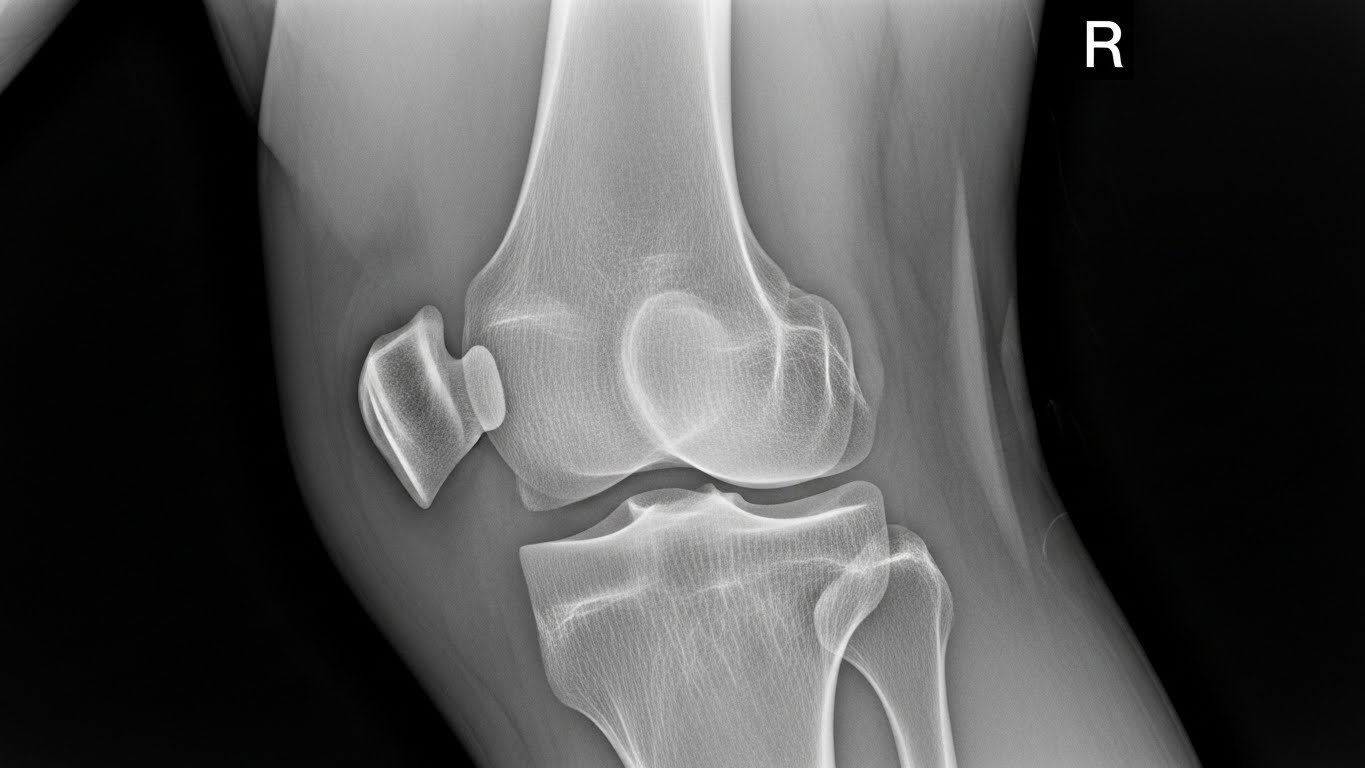
- X-rays – The most common way to see the size and shape of the bone growth.
- CT scan or MRI – Used if the growth is pressing on soft tissues like nerves.
- Blood tests – Rarely used, unless other bone issues are suspected.
In nearly all cases, exostosis shows up clearly on an X-ray, helping doctors decide what to do next. It’s important to diagnose exostosis early—especially in children—so treatment can begin if needed.
How Is Exostosis Treated?
For many people, exostosis doesn’t need treatment at all. If it’s not causing pain or affecting movement, doctors may suggest watching it over time. But if the bump gets too big, hurts, or causes problems, treatment may be needed.
Treatment options include:
- Pain relievers – Over-the-counter medicines can help with mild pain or swelling.
- Physical therapy – Helps restore movement around joints affected by exostosis.
- Shoe inserts or braces – Can reduce pressure on foot exostoses.
- Ear drops and cleaning (for surfer’s ear) – Helps prevent infections.
- Surgery – In some cases, doctors remove the bone growth. This is usually an outpatient procedure.
Surgery is only chosen when the exostosis causes serious issues, so most people won’t need it. Your doctor will help decide the best path based on your symptoms.
Can Exostosis Be Prevented?
While you can’t prevent all types of exostosis, there are things you can do to reduce the risk in many cases:
- Wear better shoes – Supportive footwear helps prevent bone spurs in the feet.
- Avoid cold water exposure (use earplugs!) – This can protect against surfer’s ear.
- Use protective gear – Helmets and pads can lessen repeated bone trauma.
- Stretch and warm up properly before sports – This reduces stress on bones and joints.
- Watch injuries carefully – Follow through on care routines to reduce unwanted bone changes.
Though not all exostosis can be stopped, these steps can help you lower your chances and improve comfort during daily life.
Living with Exostosis: Real-Life Experiences
Millions of people live with exostosis without ever needing surgery or special treatment. For some, it’s as simple as avoiding certain shoes or staying out of cold water.
One longtime surfer shared that using earplugs in cold water helped him avoid surgery. Another person with a jaw exostosis said their dentist found it during a routine check-up, and they haven’t had any symptoms since.
These stories remind us that if you stay active and informed, exostosis is something you can manage. Regular checkups, comfortable gear, and good habits can all help keep you feeling your best.
FAQs
1. Is exostosis cancer?
No, exostosis is usually benign, which means it’s not cancer. It’s an overgrowth of normal bone.
2. Does exostosis go away on its own?
Most exostoses do not disappear but may stop growing. If they don’t cause problems, they can stay without treatment.
3. Can I still play sports if I have exostosis?
Yes—many people with exostosis stay very active. Just speak with your doctor so you can avoid injuries.
4. Is exostosis only common in kids?
Exostosis can happen at any age, but some types (like osteochondroma) are more common in kids and teens.
5. Will surgery get rid of it forever?
In most cases, yes. But if the cause (like tight shoes or cold water exposure) doesn’t change, it might come back.
6. Should I see a doctor for a painless bump?
It’s always a good idea to have new or growing bumps checked—just to be safe and sure.
Conclusion
Now that you’ve learned all about exostosis, you can feel more confident knowing what it is, how it works, and when to take action. Most of the time, exostosis isn’t dangerous—it just needs monitoring and smart care.
If you or someone you love has a bump or is feeling discomfort around a joint, don’t panic. Talk to a doctor, ask questions, and track your symptoms. You may find that a few small changes or routine checkups are all you need to stay comfortable and active.