
Introduction
Bringing home a tiny kitten is one of life’s sweetest joys. They’re soft, cuddly, and full of tiny squeaks. But sometimes, even when we try our best, a small kitten suddenly becomes weak, stops growing, or doesn’t make it. This heartbreaking problem is known as fading kitten syndrome
Fading kitten syndrome is not just one disease. It’s a serious condition that affects very young kittens, often during the first few weeks of life. And sadly, it can happen fast—sometimes within hours. Many loving cat parents, especially those who rescue or foster, don’t even realize anything’s wrong until it’s too late.
But there’s hope. With quick action, early signs, and proper care, some kittens can be saved. That’s why understanding fading kitten syndrome is so important. This guide explains what it is, how to spot it early, what to do to help, and how to give your kitten the best chance to grow into a healthy, happy cat.
Whether you’re a new kitten owner or a seasoned rescuer, this friendly and helpful guide is here for you.
What Is Fading Kitten Syndrome?
Fading kitten syndrome, also called “neonatal failure to thrive,” is when a very young kitten suddenly becomes weak, stops eating, or starts to lose weight. These kittens may seem fine at birth and then rapidly decline. Often, this happens in kittens under eight weeks old. The younger the kitten, the greater the risk.
Unlike a single illness like a cold or infection, fading kitten syndrome is usually caused by one or more problems happening at the same time. These can include trouble nursing, being too cold, infections, birth defects, or low blood sugar.
Think of it this way: baby kittens are like tiny engines that need constant fuel, warmth, and protection. If just one piece goes wrong, their whole system can shut down fast. That’s what fading kitten syndrome does.
Knowing what it is can help you spot trouble quickly and give your kitten a better chance at survival.
Early Signs of Fading Kitten Syndrome
Spotting the signs early is key when dealing with fading kitten syndrome. The earlier you notice something is wrong, the more likely you can help. At first, the changes might seem small or easy to miss.
Common early signs include:
- A kitten not gaining weight or even losing weight
- Cold ears, paws, or body
- Refusing to nurse or bottle-feed
- Constant crying or being silent instead of wiggly and active
- Weakness or trouble moving
- Pale or gray gums
- Breathing problems or slow heartbeat
If you notice any of these signs, take action fast. Young kittens don’t have strong immune systems or energy reserves. Waiting even a few hours can be dangerous.
Tip: Weigh each kitten daily with a baby scale to track their progress. Healthy kittens should gain 10–15 grams per day.
Common Causes of Fading Kitten Syndrome
There are several reasons why a kitten may develop fading kitten syndrome. Often, it’s not just one cause but a mix of problems that come together.
Here are some frequent causes:
- Hypothermia: Getting too cold can slow down a kitten’s body and stop their digestion.
- Hypoglycemia: Low blood sugar from not eating regularly can cause weakness and collapse.
- Dehydration: Not getting enough fluids leads to major health problems.
- Failure to nurse: Sometimes the kitten can’t latch properly or doesn’t get enough milk.
- Infections: Illnesses like upper respiratory infections or parasites weaken the body.
- Birth defects: Hidden problems inside their body may stop key organs from working.
- Mother rejection: A mother cat may ignore or reject a kitten that’s weaker or sick.
Understanding these causes helps you prepare and protect your kittens better from the start.
How to Prevent Fading Kitten Syndrome
While you can’t protect kittens from everything, there are many ways to reduce the risk of fading kitten syndrome. Prevention starts with proper care from the moment a kitten is born—or rescued.
Here’s how you can help:
- Keep kittens warm at all times. Use gentle heating pads, warm blankets, or a nesting box.
- Help them eat regularly. Make sure nursing or bottle-feeding is happening every 2-3 hours.
- Keep everything clean, including bottles, bedding, and hands.
- Check for signs of illness daily. Trust your gut—if a kitten “feels off,” act fast.
- Weigh every kitten daily. Write it down and track progress.
- Take your kittens to the vet for checkups or when they stop gaining weight.
Being watchful and gentle can make all the difference when caring for newborns.
Emergency Steps If You Suspect Fading
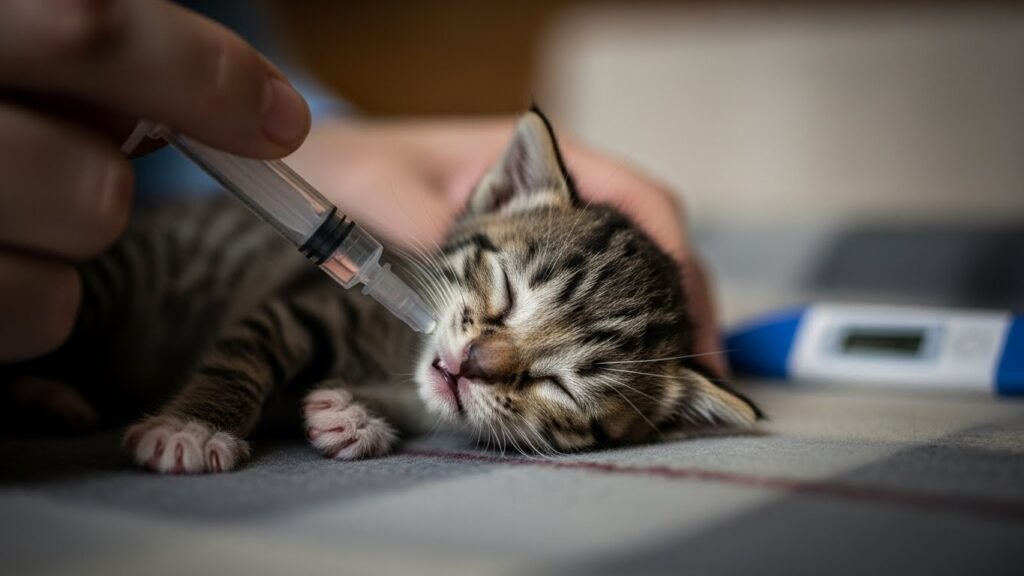
If you believe a kitten is starting to fade, don’t wait. Take quick steps to possibly save their life. Fading kitten syndrome can move fast, but fast action may help.
Here’s what to do:
- Warm the kitten: Cold kittens can’t digest food. Place them in a warm towel with a heating pad. Make sure the heat is safe—not too hot.
- Check blood sugar: Rubbing a little sugar water or corn syrup on the gums can help with low blood sugar.
- Hydrate if needed: If the kitten won’t nurse or bottle-feed, and they are limp but breathing, you may need a vet to give subcutaneous fluids.
- Call a vet immediately: A fading kitten needs urgent medical care. Don’t wait overnight or until morning.
- Keep the kitten isolated and quiet: Let them rest away from littermates if they’re being stepped on or pushed aside.
Acting within minutes—yes, minutes—can make all the difference in survival.
Bottle-Feeding 101 for At-Risk Kittens
Some kittens with fading kitten syndrome need help eating. If their mother isn’t nursing or they’re orphans, it’s up to you to bottle-feed them properly.
Here’s how:
- Use kitten formula (not cow’s milk). Products like KMR or Breeder’s Edge are best.
- Warm the formula to body temperature—test a drop on your wrist like baby milk.
- Use a small, soft kitten bottle, made for newborns.
- Keep the kitten on their stomach while feeding—never on their back.
- Feed every 2–3 hours for kittens under two weeks old—even at night.
Feed slowly, stop if milk comes out the nose, and always burp the kitten by gently rubbing their back. If unsure, ask your vet or a rescue group for a feeding lesson.
Keeping Kittens Warm: Why It’s So Important
Tiny kittens can’t regulate their body temperature for the first few weeks of life. That’s why hypothermia (getting too cold) is a leading cause of fading kitten syndrome.
A warm kitten is a healthy kitten. Cold kittens may stop moving, lose interest in food, or fall into a life-threatening state.
Here’s how to keep kittens cozy:
- Use a soft heating pad with a low setting under part of the nesting box.
- Always give kittens space to move off the heat if they get too warm.
- Add soft blankets or a warm sock filled with rice (microwaved for a few seconds).
- Keep the room quiet to reduce stress.
- Check your kittens’ ears and paws—if they feel cold, they may be too cold overall.
Warmth is vital, especially if you’re caring for an orphaned kitten or litter.
The Role of a Mother Cat and When She Needs Help
A mother cat, or “queen,” usually takes excellent care of her kittens. She keeps them warm, fed, and clean. But sometimes, she might not be able to give enough care, especially if she’s sick, stressed, or young herself.
Signs a mother cat needs help:
- She leaves kittens alone for long times.
- She doesn’t let them nurse or pushes them away.
- Kittens are crying often and not gaining weight.
In these cases, stepping in with bottle-feeding, warming, or vet help may be needed. Sometimes, only one kitten struggles while the rest do okay. That kitten may need extra support from a human caregiver.
Fading Kitten Syndrome vs. Regular Kitten Behavior
It’s normal for new kitten parents to worry. Sometimes, kittens sleep a lot or eat at odd times. So how can you tell if it’s fading kitten syndrome or just normal behavior?
Healthy kittens should:
- Eat regularly and gain weight daily
- Wriggle or cry when they’re hungry
- Be warm, with pink gums
- Have firm but gentle muscle tone in their body
Fading kittens may:
- Be silent and limp
- Refuse to nurse or sleep too much
- Feel cold, look pale
- Lose weight or not grow
When in doubt, always check weight, warmth, and feeding habits. It’s better to catch it early than wish you had.
What Vets Do to Help a Fading Kitten
When you rush a fading kitten to the vet, they’ll act quickly. Vets are trained to stabilize newborns and give emergency care.
Your vet may:
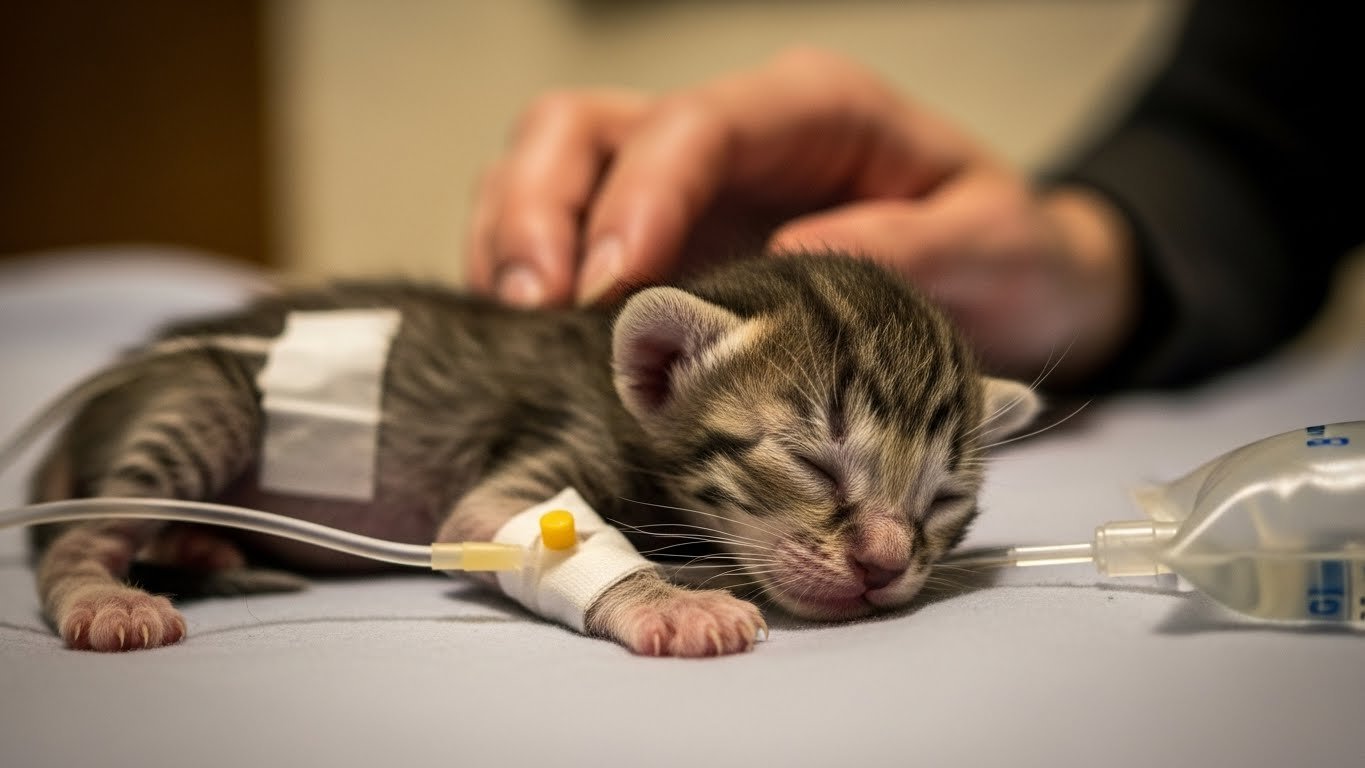
- Give fluids under the skin to fight dehydration
- Check for infections and prescribe medicine if needed
- Use a warming unit to safely increase body temperature
- Check sugar levels and use glucose drips
- Give oxygen if the kitten is weak or struggling to breathe
They’ll also ask you about feeding, temperature, and other details. This helps determine cause and treatment. If needed, they may keep the kitten for 24-hour care.
Don’t be afraid—emergency vet help can save lives.
Long-Term Care for Surviving Kittens
If your kitten survives fading kitten syndrome, that’s amazing! They may grow into strong, happy cats. But some may need a little extra care as they develop.
Watch for:
- Delayed growth or late learning of kitten skills
- Slight weakness or more sleep
- Frequent vet visits for illnesses
Give these kittens loads of love, good food, warmth, and a clean environment. As they grow, many of them catch up and live full, regular lives.
Each day they stay alive is a step forward. Many rescued kittens go from fading to thriving—thanks to people like you.
FAQs
1. Can fading kitten syndrome be cured?
Not always, but if caught early, some kittens recover with quick care and vet help.
2. How fast does fading kitten syndrome happen?
Very fast. A kitten can go from healthy to critical in just a few hours. That’s why checking often is key.
3. Is it my fault if a kitten dies from fading kitten syndrome?
No. It’s not your fault. This condition is serious and often hidden. All you can do is your best.
4. Can one kitten fade and the others still stay healthy?
Yes, sometimes only one kitten is affected. Still, all littermates should be checked and weighed daily.
5. Do all orphaned kittens get fading kitten syndrome?
No, many grow up fine. But they are at much higher risk without a mother, so extra care is needed.
6. What’s the best way to track a kitten’s health at home?
Weigh the kitten daily, watch for feeding signs, and check warmth and energy levels often.
Conclusion
Fading kitten syndrome is scary, and it happens fast. But the good news is this—you can help. With the right knowledge, quick action, and lots of love, many kittens survive and grow up strong.
If you’re caring for newborn kittens, you’re a hero already. Keep them warm, feed them often, track their weight, and trust your instincts. And remember: it’s okay to ask for help. Vets, rescue groups, and online communities can offer tips, support, and comfort.