IntroductionIt?
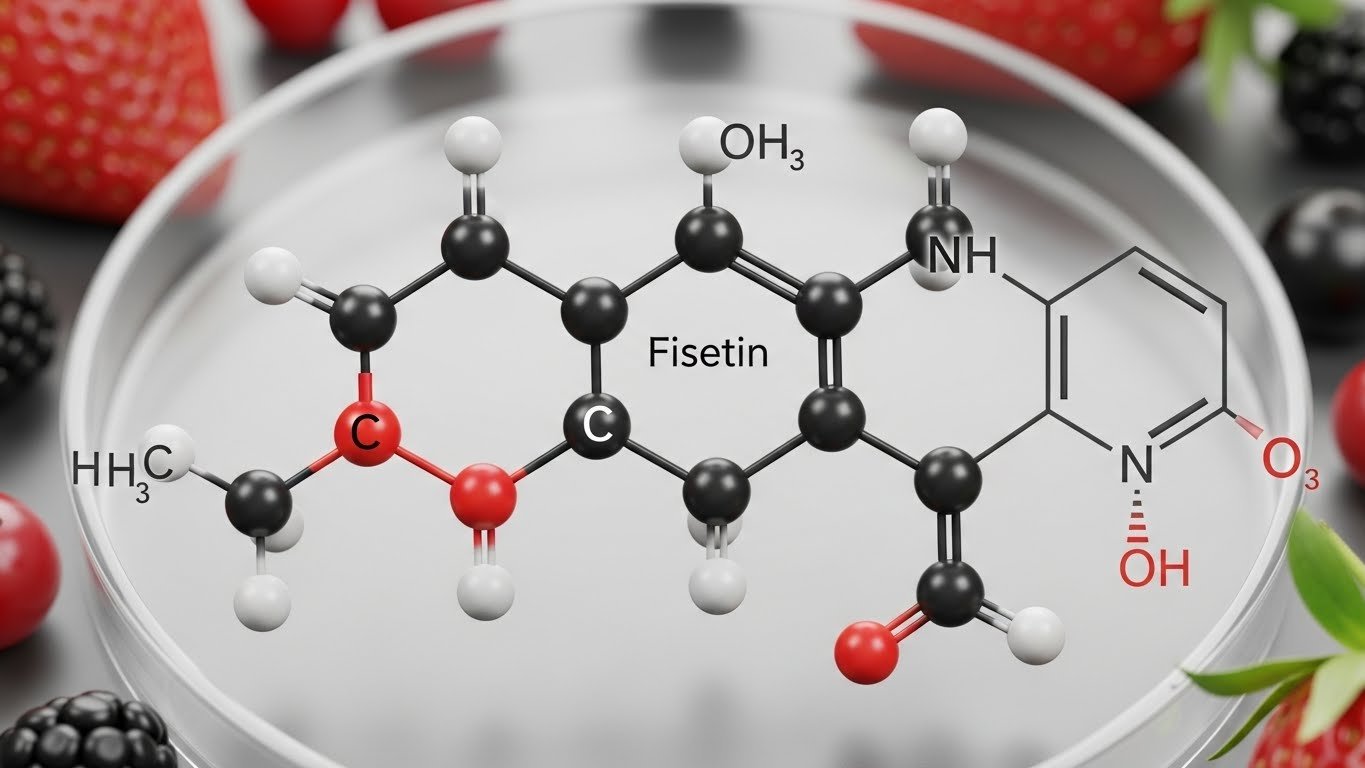
Have you ever heard of fisetin If not, don’t worry—you’re not alone! This special plant compound is getting a lot of attention lately. Why? Because science is showing that fisetin might help people stay healthier as they age. That’s exciting news!
Fisetin is found in fruits and vegetables like strawberries, apples, onions, and cucumbers. It’s what scientists call a flavonoid, which is a natural substance that helps fight inflammation and boost the body’s defenses. More and more researchers are studying fisetin because it may help people with memory, aging, and even staying young.
In this article, we’ll break it all down in a fun and super easy way. You’ll learn what fisetin is, how it works, and why some doctors are excited about it. We’ll also look at side effects, how to take it, and real stories of people who have tried it.
Let’s explore why fisetin might become your new favorite daily health helper!
What Exactly Is Fisetin?
Fisetin is a powerful plant antioxidant found in many colorful fruits and vegetables. It helps protect your cells from damage and keeps your body working properly. Scientists discovered fisetin years ago, but only recently have they learned more about how amazing it could be.
Fisetin is part of a group called flavonoids, which are like nature’s superheroes. Flavonoids fight oxidative stress—a fancy way of saying “cell damage from toxins or stress.” They also lower inflammation and help cells repair themselves.
You can find fisetin in strawberries, mangoes, grapes, onions, and even cucumbers. While those foods are healthy, the amount of fisetin in them is small. That’s why some people take fisetin supplements to get a higher dose.
Fisetin is also being studied in labs for its role in helping memory and cleaning out old cells, which are both important as we get older.
Fisetin in Foods: Where Does It Come From?
You might be wondering, “What foods have fisetin?” Great question! Fisetin is in a bunch of common fruits and veggies that many of us already eat.
Here are some foods that naturally contain fisetin:
- Strawberries (the highest amount)
- Apples
- Grapes
- Mangoes
- Cucumbers
- Onions
- Persimmons
- Kiwis
Strawberries are the biggest source, with about 160 milligrams of fisetin per 100 grams. That’s a lot compared to other foods! But even so, you’d have to eat pounds and pounds of strawberries every day to get the amounts used in some health studies. That’s one reason people take fisetin as a supplement—it’s just easier.
You can still enjoy fisetin-rich foods, of course! Eating fresh fruits and veggies is always a smart choice.
How Does Fisetin Work in the Body?
Fisetin helps your body by acting like a cell-cleaner and body-protector. Think of it like a helpful assistant inside your body that finds damaged or old cells and tells them to stop getting in the way.
As we get older, some of our cells stop working. These are called senescent cells. They don’t die, but they don’t help anymore either. Instead, they hang around and cause trouble—kind of like spoiled food in your fridge.
Fisetin helps remove those bad cells through something called senolytic activity. This simply means it gets rid of aging or “zombie” cells to make room for newer, healthier ones. This “cell-cleaning” action is one of fisetin’s most interesting powers.
Fisetin also helps lower chronic inflammation, improves brain function, and protects cells from stress and toxins. It supports many parts of the body, especially the brain, heart, and skin.
Fisetin for Brain Health and Memory Support
Many people are excited about fisetin because of how it helps the brain. Several studies show it may help with memory, focus, and protection of brain cells.
Fisetin’s brain-friendly powers come from how it can protect neurons, which are the special cells in your brain. It keeps them strong and helps them talk to each other better.
One study in mice with memory problems found that fisetin helped improve learning and memory. It also helped reduce brain inflammation, which can affect how well people think and remember things as they age.
Even though most of the research so far is done on animals, studies in humans are starting to happen too. If those studies go well, fisetin might become one of the top natural brain supplements in the future.
Lots of people now take fisetin to support their focus and help keep their minds sharp.
Fisetin and Anti-Aging: Can It Really Help You Live Longer?
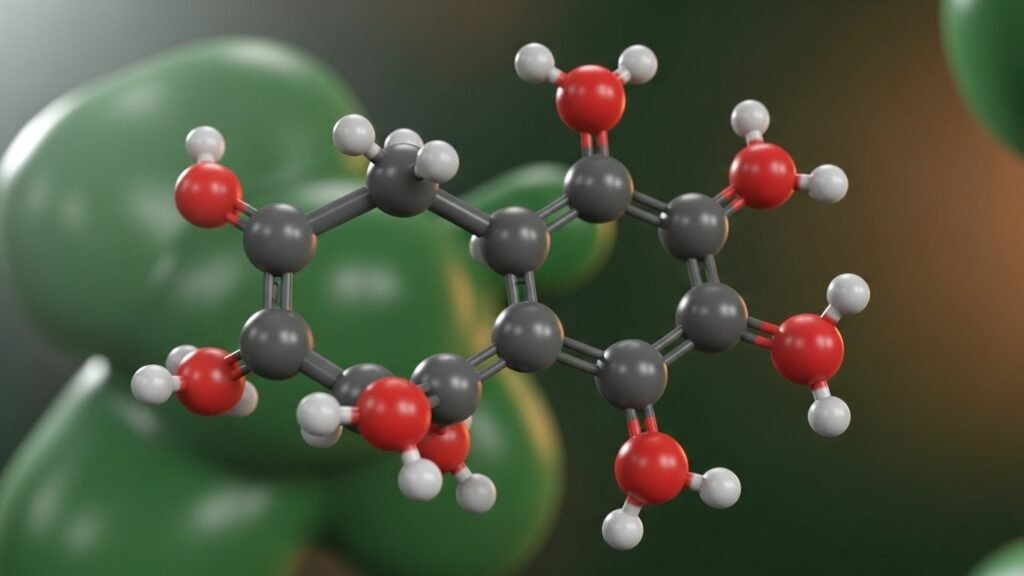
You’ve probably seen the word “anti-aging” before. Many people want to live longer and feel younger—and fisetin might help with both!
As we grow older, senescent (zombie) cells build up in our bodies. These can lead to wrinkles, sore joints, slow memory, and even diseases. Fisetin helps remove those aging cells, which may slow down the aging process.
In animal studies, older mice that were given fisetin seemed healthier, stronger, and even lived longer than mice that didn’t take it. Their brains worked better, and their bodies aged more slowly.
This got scientists excited about fisetin as a senolytic supplement—something that helps clear out old cells to make room for new ones. It isn’t magic, but it’s a step toward healthier aging.
More studies are needed, but early results show good promise for fisetin and longevity.
The Link Between Fisetin and Inflammation
Inflammation is something that happens when your body is hurt or fighting off sickness. A little inflammation is okay, but too much is not.
Too much inflammation—called chronic inflammation—can lead to problems like arthritis, diabetes, and heart disease. That’s where fisetin steps in.
Fisetin is a strong anti-inflammatory compound. It works by helping your body calm down when things go out of balance. It blocks signals that tell your body to stay “angry,” and instead helps reduce swelling and pain.
Some studies also show that fisetin lowers markers of inflammation in the blood. This means your whole body gets a chance to rest and heal.
If someone has joint pain, brain fog, or feels tired often, inflammation could be a reason. Natural helpers like fisetin may give the body just what it needs to feel better.
Fisetin for Skin Health and Beauty
Here’s a fun fact: fisetin might help your skin too! It brings brightness from the inside out.
Because of its antioxidant powers, fisetin helps protect your skin cells from things like sun damage, pollution, and stress. It keeps cells strong and healthy, which may help reduce wrinkles and fine lines over time.
Some studies also suggest that fisetin helps new skin cells grow by cleaning out the old, damaged ones. Since it supports “cell cleanup,” it makes sense that your skin could look fresher and younger.
While fisetin won’t replace sunscreen or face creams, adding it to your routine might give your health and skin an extra boost.
Can Fisetin Help with Blood Sugar and Heart Health?
Fisetin may also help people who deal with high blood sugar or heart problems.
In several lab studies, fisetin showed the ability to lower blood sugar levels and help with insulin control. Insulin is a hormone that helps your body use sugar for energy. This makes fisetin interesting for people who have diabetes or are trying to prevent it.
Fisetin also helps protect the heart by reducing blood pressure, bad cholesterol, and artery inflammation. It acts like a shield against the damage that builds up in blood vessels over time.
Though more human studies are needed, the early research suggests fisetin could be good for your heart, blood sugar, and overall metabolism.
How to Take Fisetin: Supplements, Dosage, and Safety
If you’re thinking about trying fisetin, you may be asking: “How much should I take?”
Fisetin usually comes in capsules or powder form, often sold in doses of 100mg to 500mg. In some studies, people took up to 1000mg a day for short periods during “senolytic therapy.”
But everyone’s body is different. It’s best to start with a smaller dose (like 100–200mg a day) and see how your body reacts. Some people take it once a day, while others use it just once or twice a month.
Fisetin is considered safe and natural, especially in food amounts. But, like any supplement, it’s smart to talk to a doctor before starting it—especially if you’re on medication or have health issues.
So far, reported side effects are rare and usually mild, like upset tummy or tiredness.
Real People, Real Stories: Why Some Love Fisetin
Many users of fisetin supplements report benefits like better focus, better skin, and more energy. They feel clearer in their mind and faster in their thinking after using fisetin for just a few weeks.
Some people share that adding fisetin to a healthy diet helped reduce joint pain, especially when combined with other supplements like quercetin, zinc, or vitamin C.
Others use fisetin as part of an anti-aging routine, taking it monthly in higher doses while fasting.
Everyone’s experience is different, but it’s amazing how one little plant compound can make such a big impact.
FAQs
1. Is fisetin better than quercetin?
Fisetin and quercetin are both flavonoids and share similar benefits. But fisetin may work better at removing old cells. Some people take both together.
2. Can kids take fisetin?
Fisetin is mainly used by adults. There aren’t enough studies on kids. Always talk to a doctor first.
3. Are there side effects from fisetin?
Most people don’t feel side effects. Rarely, someone may get a headache or stomach upset. Start slow and see how you feel.
4. Can fisetin help with dementia or Alzheimer’s?
Animal studies show fisetin may help brain health and memory. Human studies are still ongoing, but early signs are hopeful.
5. What’s the best time to take fisetin?
Many people take it in the morning with food. Some use it during fasting or as part of monthly clean-up “senolytic” days.
6. Where can I buy fisetin supplements?
You can find fisetin online at health stores, Amazon, or vitamin shops. Look for high-quality brands with third-party testing.
Conclusion
There’s a lot to love about fisetin. It’s a natural compound found in tasty fruits and veggies, and it’s showing serious promise for brain health, aging, and inflammation.
While more research is coming, fisetin may be one of the most interesting natural supplements out there. From helping remove old, worn-out cells to boosting memory and supporting clear skin, fisetin is gaining attention for all the right reasons.
Whether you’re interested in living longer, thinking clearer, or feeling better overall, adding fisetin to your daily health routine might be worth a try.
Just remember—talk to your doctor, start slow, and listen to your body.