
Introduction
When someone hears the word sudep it can sound scary or confusing. But knowing the facts can help. SUDEP stands for Sudden Unexpected Death in Epilepsy. It’s when a person with epilepsy dies suddenly and no other clear cause is found.
It’s a rare but very real risk for people living with epilepsy. This is why talking about SUDEP matters. It’s not meant to cause fear. It’s about awareness, safety, and support.
In this article, we’ll explain what SUDEP is in simple words. We’ll also guide you through risk factors, how to lower risks, and how loved ones can help. Whether you are someone with epilepsy, a caregiver, or just want to understand better, this guide will give you clarity and hope.
Let’s begin by gently uncovering what SUDEP is all about.
What Does SUDEP Mean?
SUDEP means Sudden Unexpected Death in Epilepsy. It’s when a person with epilepsy dies without warning and for no clear reason. There’s no injury, drowning, or known heart problem. It just happens, usually during or right after a seizure.
Doctors often find no clear cause during medical tests after death. That’s why it’s called “unexpected”. SUDEP mainly occurs in people who have uncontrolled seizures, especially tonic-clonic seizures (also called grand mal seizures).
Even though SUDEP is serious, it is also rare. Not everyone with epilepsy is at high risk. With information, support, and safety steps, many of those risks can be lowered.
The more we understand about SUDEP, the more we can help keep those with epilepsy as safe as possible.
How Common Is SUDEP?
The good news is that SUDEP is rare. But it’s still important to know the numbers.
For most people with epilepsy, the risk of SUDEP is about 1 in 1,000 people per year. That means out of 1,000 people living with epilepsy, only one might pass due to SUDEP in a year.
However, for people with frequent tonic-clonic seizures, the risk is higher—about 1 in 150 each year. People who have seizures at night or while sleeping may also be at greater risk.
Even with these numbers, it’s important to remember: most people with epilepsy do not die from SUDEP. But knowing it exists helps families and doctors take steps to prevent it.
Talking to your doctor about seizures and safety is one of the best ways to reduce SUDEP risk.
What Causes SUDEP?
The honest answer is—no one knows for sure yet. But researchers believe there are a few possible reasons.
One main idea is that SUDEP happens after a seizure, especially a tonic-clonic seizure. The body might stop breathing. Or the heart might beat too slowly or irregularly, leading to death.
Here are a few possible causes doctors consider:
- Breathing stops (respiratory arrest) during or after a seizure
- Irregular heartbeat (arrhythmia) caused by changes in brain activity
- Lack of oxygen to the brain
- Lying face down during a seizure while sleeping
Still, SUDEP remains unpredictable. And because it usually happens unwitnessed (when a person is alone, especially during sleep), it’s hard to study.
Though we may not know the full picture, learning about SUDEP has already led to smart safety tips that save lives.
Who Is Most at Risk for SUDEP?
While anyone with epilepsy can experience SUDEP, some people are at higher risk than others.
Here are some of the main risk factors:
- Having frequent tonic-clonic seizures
- Having seizures at night or while sleeping
- Not taking epilepsy medications regularly
- Having epilepsy for many years
- Being alone during seizures
- Having seizures that aren’t fully controlled
Age may matter too. Research shows young adults in their 20s to 40s seem to be most affected, although SUDEP can happen at any age.
Understanding these risks doesn’t mean someone is doomed. It just means being extra careful and talking with doctors about safety steps.
The more we know, the more we can do to lower the risk of SUDEP.
How Can You Lower the Risk of SUDEP?
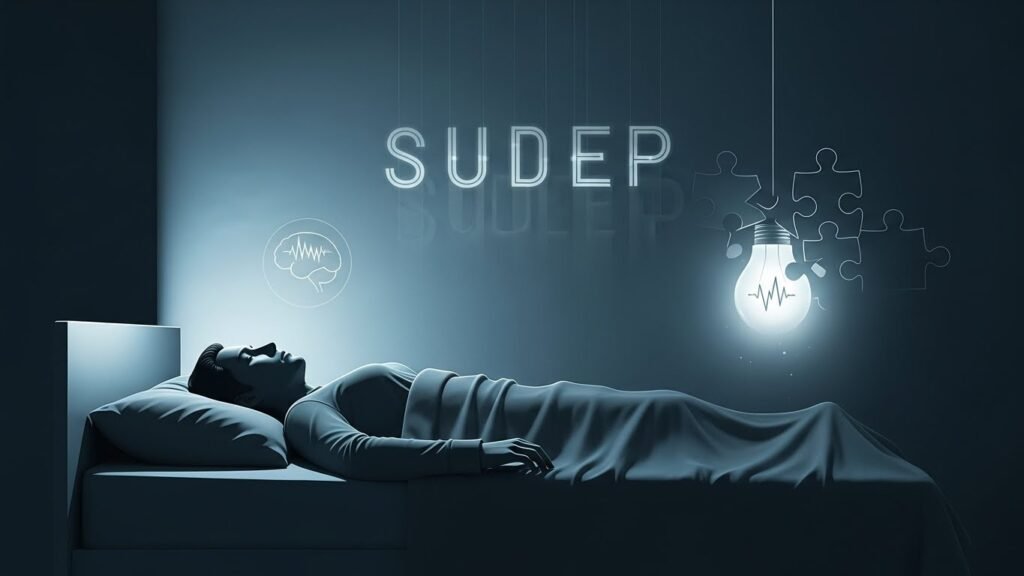
The most helpful step is to reduce seizures, especially tonic-clonic ones. Here’s how:
- Take medicine daily: Don’t skip epilepsy medications unless your doctor says it’s okay.
- Keep a seizure diary: Track when and where seizures happen. This helps doctors adjust your treatment.
- Have regular check-ups: Talk with your doctor about how well your meds are working.
- Avoid seizure triggers: These could include missed sleep, stress, or flashing lights.
- Use alarms for night seizures: Devices like seizure monitors can alert caregivers.
- Don’t sleep face down: Try using special pillows that help keep airways open.
- Tell someone: Make sure family or roommates know what to do during a seizure.
These simple steps can make a real difference. While SUDEP can’t always be predicted, it can be prevented sometimes with good care and planning.
What Should Families Know About SUDEP?
For parents, partners, or friends of someone with epilepsy, hearing about SUDEP can feel scary. But knowledge is power—and there are things you can do.
First, don’t panic. SUDEP is rare, and the best way to help your loved one is to understand their epilepsy plan. Here’s how you can support them:
- Know their medicine schedule
- Help them spot triggers
- Stay calm during seizures—know basic seizure first aid
- Ask doctors questions; no question is too small
- Encourage the use of nighttime safety tools if needed
You are not alone. Many families worry about SUDEP, especially when seizures are hard to control. But you can be a key part of the team that keeps your loved one safe.
Devices That May Help Reduce SUDEP Risk
Technology can help lower the risk of SUDEP—especially when seizures happen at night.
Here are some devices that caregivers and people with epilepsy use:
- Seizure alarms: Worn like watches or put under a mattress. They sound an alert when a seizure is detected.
- Smartwatches with seizure tracking: These can monitor movement and heart rate.
- Video monitors: For caregivers to check in during the night.
- Specialty pillows: Designed to prevent suffocation during nighttime seizures.
While these devices can’t guarantee safety, they give an extra layer of protection. If seizures are common at night, talk to your healthcare team about whether one of these might help.
The more tools we have, the better we can watch for trouble—and respond quickly.
SUDEP and Children: What Parents Should Know
Can kids get SUDEP? Sadly, yes—but it’s very rare in children. The overall chance of SUDEP is lowest in infants and younger kids.
Still, if your child has epilepsy, especially with hard-to-control seizures, it’s worth learning about SUDEP. Most of the same tips for adults apply:
- Stick to the medicine routine every day
- Watch for triggers and keep a diary
- Talk to teachers and school nurses about seizure safety
- Make sure someone always knows when your child is having a seizure
Doctors and epilepsy experts recommend open conversations, even with pediatric patients and their caregivers. Teaching children about safety from an early age builds confidence and awareness.
Remember—being informed is not the same as being afraid.
Is SUDEP the Same as a Seizure Emergency?
No, but they can be connected.
A seizure emergency, also known as status epilepticus, is when a seizure lasts too long—generally more than five minutes—or when a person has many seizures without waking up in between. This is very serious and requires emergency treatment.
SUDEP is different. It usually occurs after a seizure, and often without warning signs. It’s not always caused by a long seizure, but having frequent or poorly controlled seizures does raise the risk of both status epilepticus and SUDEP.
This is why early treatment in seizures—like using rescue medicine if prescribed—can be a life-saving step.
Knowing the difference helps families and caregivers act quickly when it’s needed most.
Talking to Your Doctor About SUDEP
One of the most important steps you can take is to talk to your doctor about SUDEP. Some doctors may not bring it up unless you ask, but you should feel empowered to start the conversation.
Here are some good questions to ask:
- “What is my/our child’s risk of SUDEP?”
- “What can we do to lower seizure risk?”
- “Are there devices we should consider for night monitoring?”
- “Should we try different treatments if seizures aren’t controlled?”
A good doctor will listen, care, and support you with helpful answers and resources. Keeping the dialogue open adds a strong layer of care to your epilepsy management plan.
Don’t be afraid to take notes and follow up after the visit!
FAQs
1. Is SUDEP common?
No, SUDEP is rare. Most people with epilepsy never experience it.
2. Can SUDEP happen in your sleep?
Yes. Most SUDEP cases happen during sleep, especially when the person is alone.
3. Who is more at risk of SUDEP?
People with frequent tonic-clonic seizures and poorly controlled epilepsy have higher risk.
4. Can SUDEP be prevented?
Sometimes. Taking medicine as prescribed and avoiding seizure triggers helps lower risk.
5. Should I use a seizure alert device?
Maybe. If you have night seizures or live alone, a device could help alert someone if you’re in danger.
6. Should I worry every day about SUDEP?
No. Be aware, stay smart, and follow your epilepsy care plan. Worry doesn’t help—but preparation does.
Conclusion
SUDEP may be a subject people avoid, but it’s one that deserves open, honest conversation. While the idea of a sudden loss is scary, knowledge brings power and peace. The more we understand SUDEP, the better we can protect ourselves and the people we love.
Epilepsy is manageable. Good medical care, consistent medication, and support from family and friends make all the difference. And even though SUDEP can’t always be predicted, it can sometimes be prevented through smart planning and awareness.
If you’re a person living with epilepsy or caring for someone who is, don’t walk this journey alone. Talk to your doctor. Ask questions. Use resources. Build safety into everyday life.
The goal isn’t fear. The goal is hope through understanding. And together, we can make SUDEP less sudden, less scary, and less common.