Introduction
Injuries to your hand or fingers can make daily tasks really hard. Whether you’ve hurt your pinky or broken a bone in your hand, an ulnar gutter splint may be what the doctor recommends. But what exactly is an ulnar gutter splint?
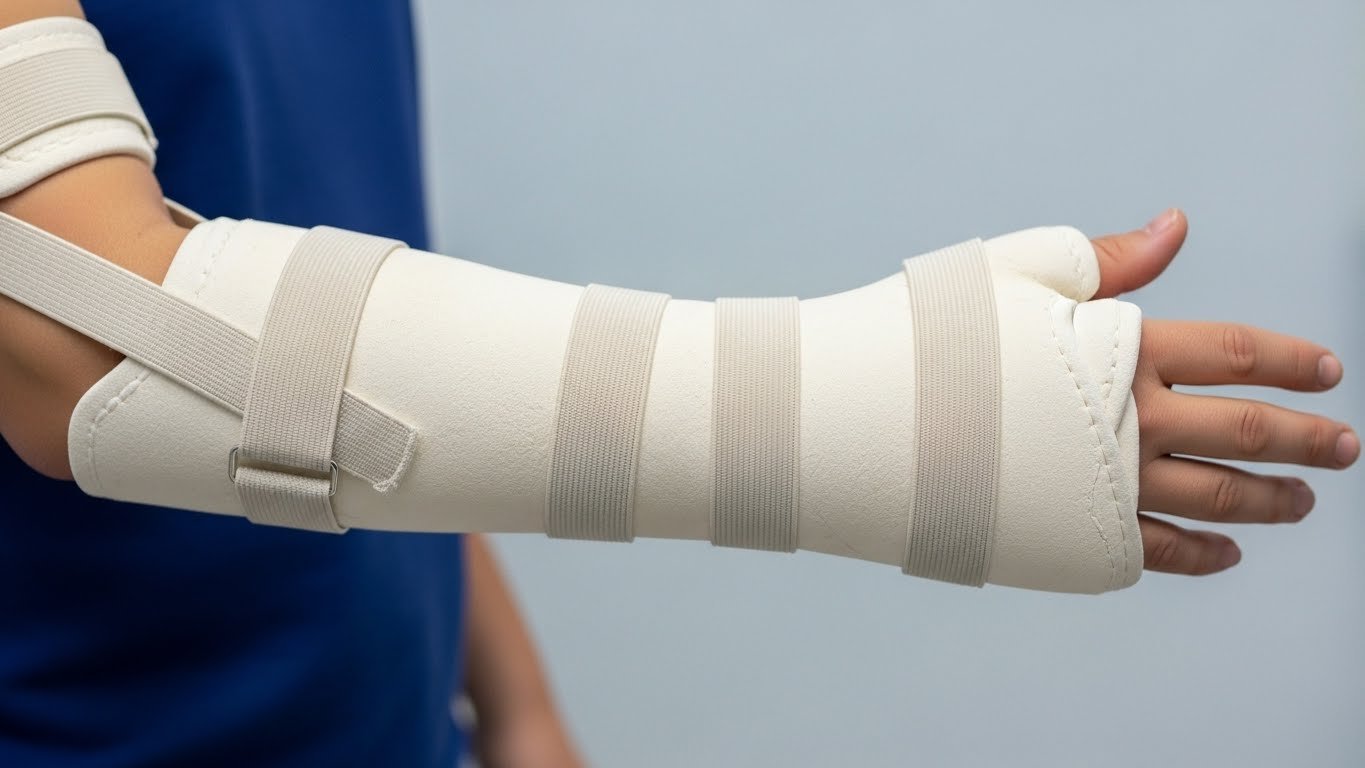
An ulnar gutter splint is a medical tool used to keep certain areas of your hand, especially the ring and pinky fingers, in place so they can heal properly. It keeps the side of your hand still by supporting the wrist, hand, and fingers.
Doctors use this type of splint to treat sprains, broken bones, and tendon injuries. It helps prevent movement while allowing other fingers and parts of the arm to work normally. In this full guide, we’ll walk you through everything you need to know—from who needs it and how it works, to proper care and recovery tips.
Let’s dive into the world of the ulnar gutter splint, written in a way anyone can understand.
What Is an Ulnar Gutter Splint Used For?
An ulnar gutter splint is mainly used to treat injuries on the ulnar side of the hand. That’s the same side as your pinky finger. It supports the fourth and fifth fingers (your ring and pinky), along with part of the hand and wrist.
Doctors use this splint when:
- You have a broken bone in one of these fingers.
- You sprain or tear a ligament or tendon in the hand.
- You need to heal a joint after surgery or injury.
- A bone is dislocated or shifted out of place.
This splint keeps your hand in a position that lets it heal straight and safely. It’s used often in hospitals, urgent care centers, and clinics because it’s easy to apply and very useful. The ulnar gutter splint helps stop pain and prevents further harm until full healing happens.
How Does the Ulnar Gutter Splint Work?
When you get an injury to your pinky or ring finger, doctors want to stop you from bending or moving the wounded area. That’s where the ulnar gutter splint does its job. It immobilizes (stops movement in) the bones and joints so they don’t shift as they heal.
The splint wraps along the side of your forearm to your pinky finger, holding your hand in a relaxed, healing position. Usually, your hand is placed with the wrist slightly extended and the fingers curved, as if you’re holding a cup.
This position reduces stress on injured areas while still allowing blood flow and reduced muscle strain.
The splint can be molded for comfort and tied in place with bandages. You can wear it for days or weeks, depending on your injury. The ulnar gutter splint works by providing structure so you can heal faster and feel less pain.
What Injuries Require an Ulnar Gutter Splint?
There are many types of injuries where doctors may use an ulnar gutter splint. Some of the most common include:
- Boxer’s fracture (a break in the bone below your pinky)
- Phalangeal fractures (broken finger bones)
- Metacarpal fractures (break in the middle hand bones of the fourth or fifth finger)
- Dislocations of the fingers
- Ligament injuries or severe sprains
The ulnar side of your hand does a lot more than people realize. These fingers help grip, write, hold tools, and do everyday tasks. That’s why doctors want to protect those bones and joints when something goes wrong.
If the injury doesn’t need full casting, an ulnar gutter splint can be the best middle-ground solution—it’s more supportive than a wrap but easier to wear than a cast.
Ulnar Gutter Splint vs. Cast: What’s the Difference?
Both ulnar gutter splints and casts keep your hand still, but they are not the same.
An ulnar gutter splint:
- Can be adjusted or removed by medical staff.
- Is open on one side, allowing swelling to go down.
- Is good for short-term or early injury treatment.
- Is custom-molded for each patient.
A cast:
- Is hard, fully closed, and cannot be removed easily.
- Offers more complete protection.
- Is used for more serious or long-term injuries.
- Requires a doctor’s help to be taken off.
Often, a doctor uses an ulnar gutter splint first, and then replaces it with a full cast later, once the swelling has gone down and healing has started.
Different Types of Ulnar Gutter Splints
Not every ulnar gutter splint looks or works the same. There are different options based on the type of injury and your comfort level.
1. Prefabricated splints
These are pre-made, plastic or fabric designs with soft padding and Velcro straps. They’re easy to wear and simple to adjust. Some people are even sent home with one of these after an emergency room visit.
2. Plaster or fiberglass splints
These are molded directly to your hand and arm by a healthcare provider. They give stronger support and are used for more serious injuries or after setting a broken bone.
3. Custom orthotic splints
Sometimes doctors create a special splint after surgery or for tricky healing patterns. These custom splints may involve soft foam, plastic shells, and more.
The type of ulnar gutter splint you need depends on your condition, pain level, and how long your treatment will last.
How Doctors Apply an Ulnar Gutter Splint
Creating and applying an ulnar gutter splint doesn’t take long when done by a medical expert. Here’s how it’s usually done:
- The hand and wrist are carefully examined.
- The doctor or nurse places your hand in a “safe” healing position.
- The soft padding is wrapped around your forearm and fingers.
- A firm splint material (like plaster) is shaped to your hand.
- The material hardens and sets the fingers in place.
- Bandages hold everything securely, but not too tight.
The doctor may trim and mold the splint so it’s comfortable and keeps air flowing. You’ll be told how to care for the ulnar gutter splint and when to return for a follow-up. It may be worn for several days to weeks, depending on your recovery.
How Long Do You Wear an Ulnar Gutter Splint?
The amount of time you wear an ulnar gutter splint depends on how serious the injury is. Minor sprains may only need protection for 7 to 10 days, while small fractures may need 3 to 6 weeks. More serious breaks might require the splint for longer or be followed by a cast.
Here are some general estimates:
- Sprains or ligament injuries: 1 to 2 weeks
- Mild finger fractures: 3 weeks
- Boxer’s fracture: 4 to 6 weeks
- Post-surgical support: As directed by your surgeon
Always follow your doctor’s instructions. Wearing the splint too long can cause stiffness, and removing it too early might cause re-injury.
The key is to let the bone or soft tissue heal, then slowly add movement during physical therapy or as advised.
How to Care for Your Ulnar Gutter Splint
Taking care of your ulnar gutter splint helps prevent infections, skin problems, and discomfort. Here are some useful tips:
- Keep it dry: Don’t get your splint wet. Use a plastic wrap during showers.
- Check your fingers: Make sure they aren’t turning blue, swelling too much, or going numb.
- Don’t stick stuff inside: Never scratch under the splint. Skin irritation can get worse.
- Raise your hand: Keep it lifted when sitting or sleeping to reduce swelling.
- Watch for tightness: If your splint feels too tight or painful, call your doctor.
- Avoid pressure: Don’t rest heavy items on the splinted hand.
By following these basic care tips, your ulnar gutter splint will stay clean and comfortable and help ensure faster healing.
Signs Your Splint Needs Adjustment or Replacement
Even though ulnar gutter splints are solid and safe, sometimes they need to be checked or changed before your treatment ends.
You should call your doctor if you notice:
- Pain that gets worse instead of better
- Fingers feel cold, tingly, or numb
- Red or swollen skin near the splint edges
- Splint cracking, breaking, or slipping out of place
- Strange smells or fluid leaking inside
These could be signs of improper healing or pressure on nerves. It’s much better to catch a small problem before it becomes big.
Your doctor or nurse can always adjust the splint or give you a better-fitting option if needed.
Recovery Tips While Wearing an Ulnar Gutter Splint
Getting better is a process, but here’s how you can help your healing:
- Don’t remove the splint unless told to do so by your doctor.
- Keep moving the rest of your arm and fingers not in the splint to prevent stiffness.
- Follow all follow-up appointments to check healing.
- Eat healthy, calcium-rich foods to help bones heal stronger.
- Take it slow when returning to activities like typing or sports.
Once the splint comes off, doctors may recommend hand therapy or stretching exercises to build strength and reduce stiffness.
Following these tips can help you get back to normal faster and reduce the risk of long-term problems.
When to Contact a Doctor
Sometimes, things change even after wearing a splint properly. It’s important to recognize warning signs that need care beyond just home treatment.
Call a doctor right away if:
- You can’t feel your fingers properly.
- Your hand swells too much or changes color.
- You fall again or hurt the same hand.
- The splint gets soaked, broken, or painful to wear.
- Your pain suddenly comes back after it was getting better.
Problems may be rare, but it’s always best to speak up early if you’re unsure. The ulnar side of your hand is important, and full healing depends on careful care and communication with your care team.
FAQs
1. Can I shower while wearing an ulnar gutter splint?
You should avoid getting it wet. Wrap it with a waterproof cover during showers.
2. Will I need a cast after the splint?
Sometimes. If the injury is healing slowly or needs more protection, your doctor may add a full cast.
3. Is it supposed to hurt while wearing the splint?
Mild discomfort at first is normal, but worsening pain, numbness, or tightness is not. Call your doctor.
4. How is the splint removed?
Soft splints can be unwrapped. Hard-molded ones may need trimming by a medical professional.
5. Can I drive with an ulnar gutter splint?
Usually not. It depends on which hand and how much movement you need. Always ask your doctor first.
6. Are there exercises I should do after the splint is off?
Yes. Your doctor may recommend hand therapy or stretches to regain strength and motion.
Conclusion
The ulnar gutter splint is a powerful tool that helps your pinky, ring finger, and hand heal safely. Whether you’ve got a small fracture or a sprain, this simple splint keeps everything in place with comfort and care.
Remember, healing takes time—but it also takes attention. Follow your doctor’s advice, check for signs of trouble, and stay patient. The right support today means better movement tomorrow.
If this guide helped you understand your treatment, share it with a friend or family member going through the same thing. Knowledge can calm worries and help others heal too.