
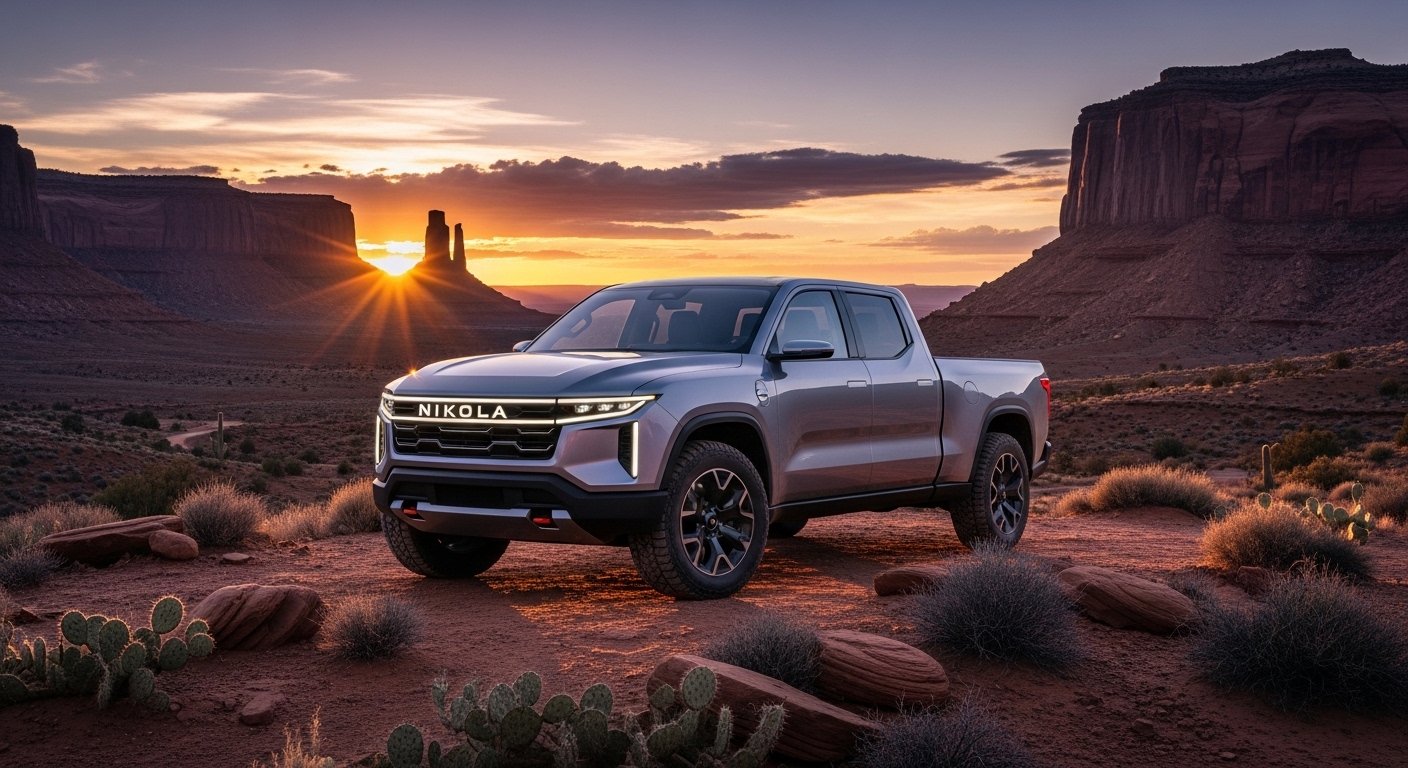
Have you ever heard about the nikola badger? If you follow electric vehicle (EV) news or just love cool trucks, chances are you’ve seen this name pop up. Designed to be a mix of power, technology, and eco-friendliness, the Nikola Badger was once a hot topic in the EV world, especially for people curious about the future of pickup trucks.
In this article, we’ll explore everything there is to know about the Nikola Badger. From its bold design and futuristic features to the controversy and what really happened to it—we’ll explain it all, in easy words anyone can understand. Whether you’re a truck fan or someone new to EVs, this guide is here to help you understand the full story of the Nikola Badger without confusion.
Let’s jump into the world of the Nikola Badger and uncover the hype, the hope, and the hard truth behind this electric truck.
What Is the Nikola Badger?
The Nikola Badger was a planned electric pickup truck created by Nikola Corporation. The goal was simple but exciting: to build a truck that could run on both battery-electric (BEV) and hydrogen fuel cell (FCEV) power. This made the Badger unique in the EV market.
Nikola wanted the Badger to be tough like a Ford F-150, but clean like a Tesla. It was aimed at people who wanted a cool, powerful truck that didn’t pollute the air.
Sadly, the Nikola Badger never went into full production. But its story is still important because it shows how fast the electric truck world is changing.
A Closer Look at Nikola Corporation
To understand the Nikola Badger, we need to know more about Nikola Corporation. Nikola is an American company that hoped to lead the future of clean, advanced vehicles. It focused on electric and hydrogen-powered trucks for both personal and commercial use.
The company’s name comes from Nikola Tesla, the famous inventor. Nikola Corporation wanted to be the next big thing in transportation, just like Tesla Inc.
Nikola first got attention with big promises about clean energy vehicles. The Badger was one of its most exciting announcements, catching the eyes of truck lovers and EV fans across the globe.
Nikola Badger Design: Rugged and Ready
One of the most talked-about things was the design of the Nikola Badger. People loved how it looked—bold, modern, and futuristic.
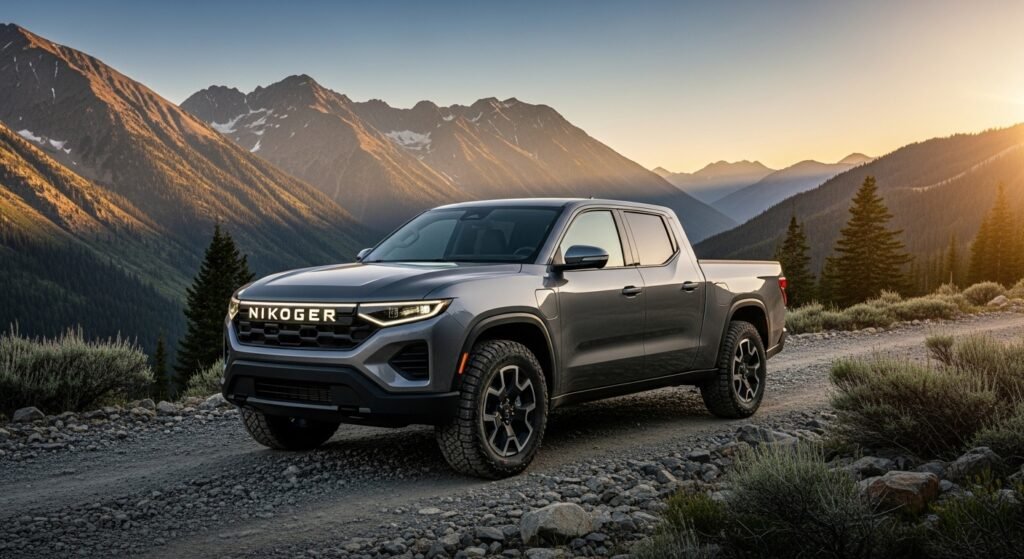
Imagine a strong-looking truck with clean lines and cool LED lights. The Badger was designed to look just as tough as popular trucks like the RAM 1500 or Ford Raptor, but with smoother style.
Big tires, sharp headlamps, and a sleek body made the Badger stand out in pictures and videos. It looked like a truck that could go off-road, pull heavy loads, and still turn heads in your neighborhood.
If the Badger had made it to production, it could have been one of the coolest-looking EV trucks on the road.
How Powerful Was the Nikola Badger Supposed to Be?
Let’s talk numbers. Nikola had big dreams for the Nikola Badger’s performance.
Here’s what the company promised:
- Up to 906 horsepower
- 0 to 60 mph in about 2.9 seconds
- Maximum range of 600 miles (with both battery and hydrogen options)
- Towing capacity over 8,000 pounds
If those numbers had become real, the Badger would’ve been one of the fastest and strongest trucks ever built—electric or not.
These performance stats helped build buzz because they promised the thrill of a sports car with the muscle of a work truck.
Battery Electric and Hydrogen Power: A Unique Combo
Most electric trucks use only batteries, like the Ford F-150 Lightning or the Tesla Cybertruck. But the Nikola Badger wanted to be different by offering two energy options: a regular battery-electric system and a hydrogen fuel cell system.
This meant buyers could choose how they powered their truck. Battery power is great for charging at home, while hydrogen fuel can be quicker to refill when stations are available.
By offering both, Nikola hoped to solve common EV problems like long charging times and limited range. It was a smart idea—but one that needed strong tech and a lot of infrastructure.
Where Things Went Wrong: The Nikola Controversy
Now for the part that made headlines. After excitement built up around the Badger, things started to get messy for Nikola Motors.
In 2020, a report from a short-selling firm accused Nikola of exaggerating its technology and making false claims. One example? A video of a Nikola truck “driving” was later revealed to be rolling down a hill—not actually running on its own power.
The company faced lawsuits, investor pressure, and the founder Trevor Milton eventually stepped down. These events shook trust in Nikola’s big promises, and the future of the Nikola Badger became uncertain.
GM Partnership: A Deal That Fell Apart
In 2020, Nikola announced a huge deal with General Motors (GM). GM was supposed to help build the Nikola Badger, using its technology and factories. The deal excited fans and investors—it made the idea of the Badger seem more real.
But after the controversy surrounding Nikola’s honesty, GM scaled back the deal and eventually decided not to help build the truck.
This was a major blow to the Badger project. Without GM’s support, Nikola lacked the experience and tools to build such a complex and ambitious truck on its own. The Badger was quietly canceled.
What Happened to Preorders?
During the height of the excitement, Nikola took preorders for the Badger. Fans placed early deposits to reserve their truck before it even existed, hoping to be one of the first owners.
But after the project was canceled, Nikola refunded all deposits. No trucks ever reached customers. While this disappointed many fans, at least Nikola compensated people for the failed rollout.
This part of the story reminds us all to be cautious about preordering products that don’t yet exist—especially when they come with bold promises.
Curious Fans Still Talk About the Badger
Even though the Nikola Badger was canceled, it still has a loyal fan base. Some people believe that the idea—that mix of battery and hydrogen power—was ahead of its time. Others just loved the design or felt disappointed the truck never saw the road.
Today, you can still find online communities, videos, and stories about the Badger and what could have been. It may not exist physically, but in the world of EV fans, the Badger became something of a legend.
Its story serves as both an inspiration and a warning in the fast-moving tech and auto industry.
What’s Nikola Focused on Now?
So, what is Nikola Corporation doing since the Badger project ended? Instead of consumer vehicles, Nikola is focusing on commercial trucks, especially those used for hauling big loads.
Its main priorities are now hydrogen-powered semi-trucks for companies and freight industries. Nikola is working on building hydrogen stations across the U.S. and trying to make clean trucking more common.
While regular drivers won’t see Nikola trucks on the streets anytime soon, the company is still chasing its goal of zero-emissions transport.
Can Hydrogen Still Compete with Batteries?
Hydrogen fuel cell vehicles, like the planned Nikola Badger, use clean hydrogen instead of electricity stored in batteries. But hydrogen cars need special stations—ones not very common in most places.
Battery-powered EVs are growing quickly and becoming easier to charge at home or public locations.
Still, hydrogen power is faster to refuel and better for heavy-duty vehicles like trucks. That’s why Nikola still believes in hydrogen, even if its first dream truck didn’t become reality.
In the long run, we might see both technologies on the road, doing different jobs.
What the Badger Taught the EV World
The Nikola Badger may not have hit the market, but its journey gave us something important: a lesson in being careful with hype and understanding the work behind real innovation.
The truck showed what people want in electric pickups—power, range, cool design, and convenience. And it inspired other automakers to step up their game.
Would the Badger have changed the truck world? We may never know for sure, but the excitement it created still echoes across the EV industry.
FAQs
1. What is the Nikola Badger truck?
The Nikola Badger was a planned electric truck that combined battery-electric and hydrogen fuel cell power.
2. How far could the bedger go on one charge?
Nikola claimed the Badger could go up to 600 miles using both battery and hydrogen fuel systems.
3. Why was the Nikola Badger canceled?
The project was canceled after business issues, loss of partnership with GM, and company scandal hurt public trust.
4. Did anyone get a Nikola Badger?
No. The truck never reached production. All preorders were refunded after the project ended.
5. Was the Badger real or just an idea?
Nikola built a prototype and released images, but most features never made it into working vehicles.
6. Is Nikola still making trucks?
Yes, Nikola still makes electric and hydrogen semi-trucks for commercial use, not for everyday drivers.
Final Thoughts
The story of the Nikola Badger is both exciting and sad. It started with bold dreams—building a truck for the future with clean energy and wild power. For a while, people believed it could happen.
But in the end, real-life challenges, business mistakes, and over-promising got in the way. While the Badger didn’t make it to our driveways, its story shaped conversations about electric trucks and clean tech.
If you followed the Badger from the start, you probably felt the ups and downs. And even now, it remains an unforgettable part of electric vehicle history—maybe as a “what if,” but one that taught us all a lot.